

| Topic | Key Points |
|---|---|
| What the central heating pump does | Circulates hot water from the boiler to radiators and back. Essential for heating. Normally makes only a quiet hum. |
| Normal vs abnormal noise | Normal: gentle hum, brief whirring at startup. Abnormal: loud humming, banging, gurgling that won’t stop, grinding, scraping, rattling. |
| Humming or buzzing | Often caused by pump speed set too high, worn bearings, electrical issues, or system restrictions. |
| Banging or knocking | Usually due to trapped air (airlocks), loose parts, debris hitting the impeller, water hammer, or incorrect installation. |
| Gurgling sounds | Typically air in the system, low water pressure, or partial blockages. Often easy to fix. |
| Grinding or scraping | Serious issue: worn bearings, damaged impeller, debris inside pump, or pump running dry. Can lead to pump failure. |
| Is a noisy pump dangerous? | Most noises aren’t immediately dangerous, but grinding or scraping can cause burnout and should be addressed quickly. |
| How to diagnose the noise | Check when it occurs, locate the exact source, inspect pump speed settings, and look for leaks, loose mounts, or vibrating pipes. |
| DIY fix: bleeding air | Turn off power, open bleed screw slightly, release air until water appears, then retighten. Effective for knocking and gurgling. |
| DIY fix: adjusting speed | Lower pump speed if set too high, then test heating performance to ensure radiators still warm properly. |
| DIY fix: securing components | Tighten loose brackets, support nearby pipes, and use vibration isolation if needed. |
| DIY fix: debris issues | Install a magnetic filter or arrange a system flush to remove sludge and particles. |
| When to call a professional | Grinding noises, leaks, very hot pump casing, heating not working, or DIY fixes fail. |
| What a professional can do | Clean or dismantle pump, replace bearings or impeller, flush system, replace pump, assess wider system faults. |
| Preventing future noise | Annual servicing, correct system pressure, radiator bleeding, magnetic filter, corrosion inhibitor, lowest effective pump speed. |
| Pump replacement signs | Persistent grinding, leaks from pump body, overheating, poor circulation, or age 10–15+ years with repeated issues. |
| Night-time noise | More noticeable due to silence, cooling system contraction, pressure changes, and increased sensitivity. |
| Running heating with noise | Mild humming or brief gurgling is usually okay short-term. Grinding, scraping, or loud banging means stop the system. |
Understanding Your Central Heating Pump
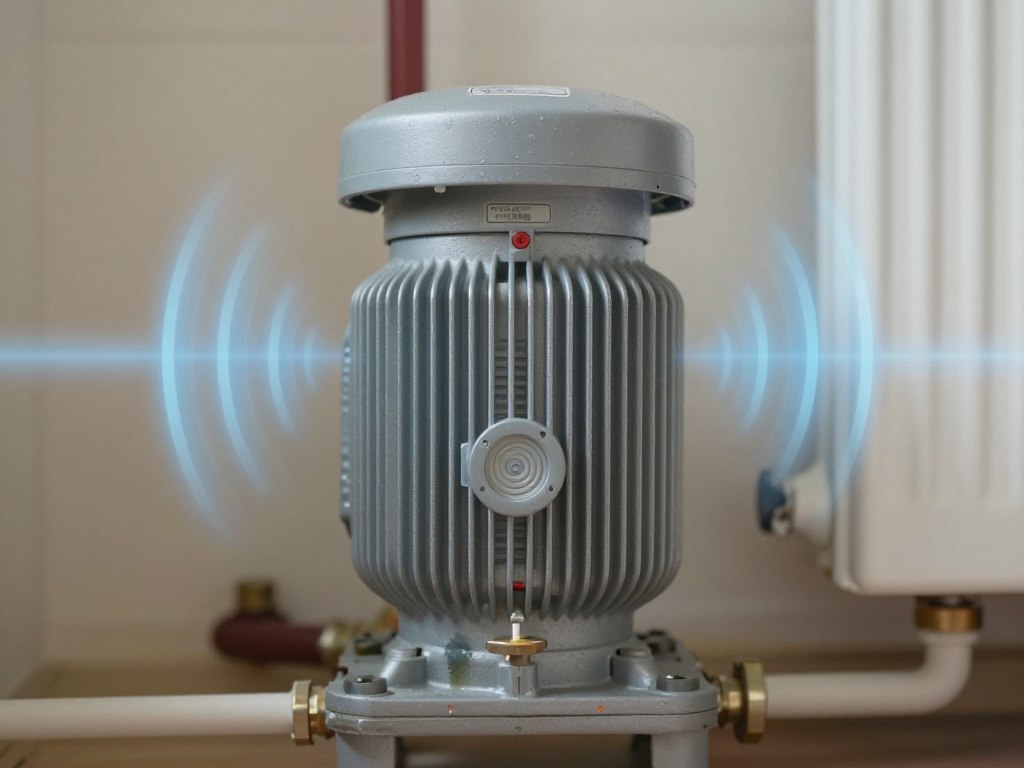
Your central heating pump (also called a circulator pump) is the heart of your heating system. It circulates hot water from your boiler through pipes to your radiators and back again. Without it, the hot water would simply sit in your boiler, never reaching the radiators that warm your home.
A properly functioning pump should operate with minimal noise—typically just a gentle hum that’s barely noticeable. When your pump starts making unusual or loud noises, it’s often a sign that something isn’t working as it should.
Most central heating pumps are located near your boiler, in an airing cupboard, or sometimes under floorboards in older properties. Identifying where your pump is located is the first step in diagnosing any noise issues.
Common Central Heating Pump Noises and Their Causes
Different noises from your central heating pump can indicate different problems. Here’s a breakdown of the most common sounds and what they typically mean:
Humming or Buzzing Noises
A low-level humming is normal for any central heating pump. However, if the humming becomes louder than usual or develops into a persistent buzz, it could indicate:
- The pump speed setting is too high
- The pump motor is struggling due to worn bearings
- Electrical issues with the pump’s power supply
- The pump is working harder than normal due to restrictions in the system
Why is my pump noisy with a humming sound? A loud humming often indicates that your pump is working harder than it should be. This could be due to incorrect speed settings or worn internal components. Check your pump’s speed setting first—it may be set too high for your system’s needs.
Banging or Knocking Noises
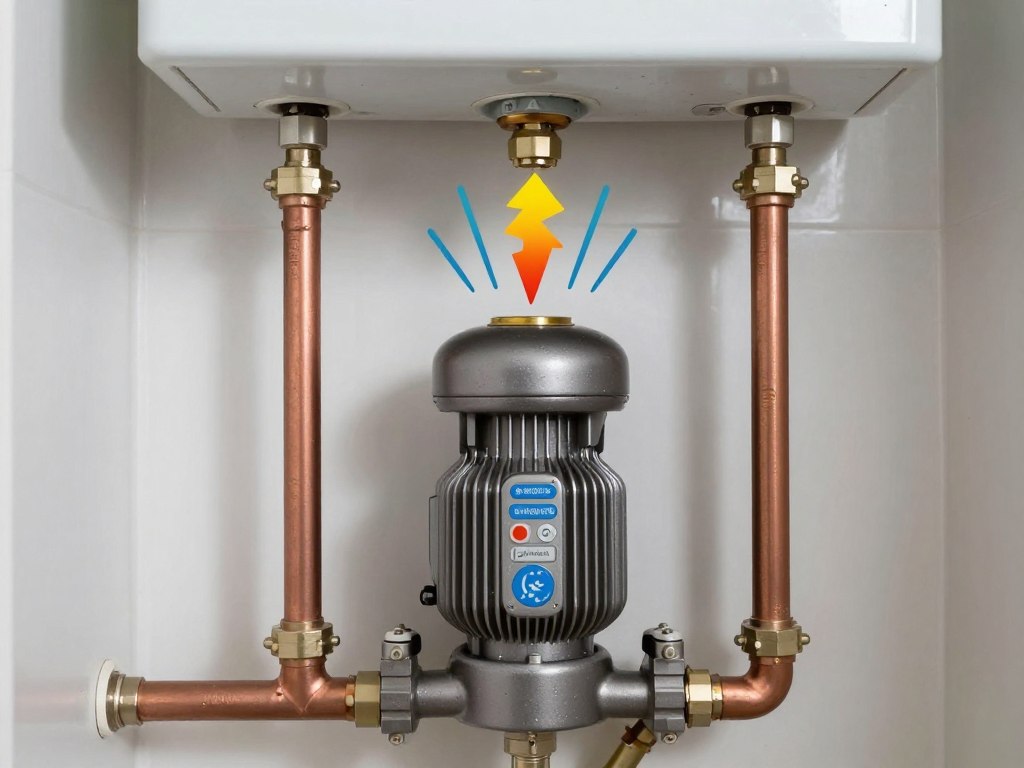
Banging or knocking sounds are more concerning and usually indicate one of these issues:
- Air trapped in the pump or system (airlocks)
- Loose components within the pump
- The pump impeller hitting debris or scale build-up
- Water hammer (pressure surges in the pipework)
- Pump not installed correctly (shaft not horizontal)
Can air cause pump noise? Yes, air trapped in your central heating system is one of the most common causes of banging or knocking noises. When air bubbles pass through the pump, they create turbulence that results in distinctive knocking sounds. Bleeding your system can often resolve this issue.
Gurgling Noises
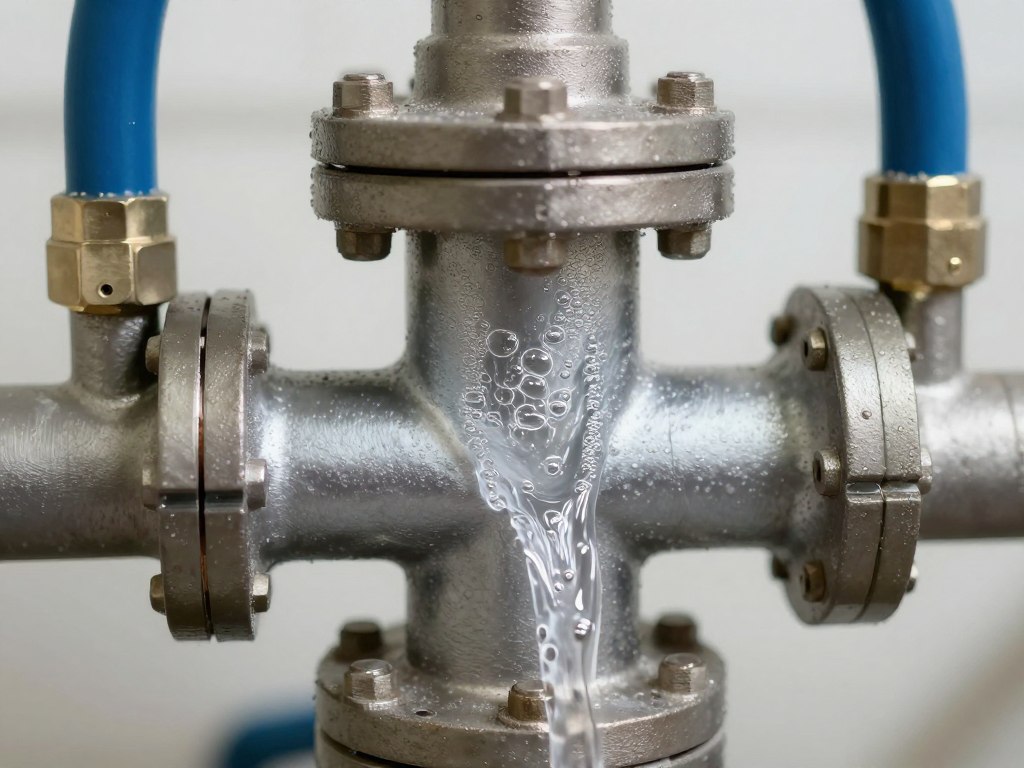
Gurgling sounds from your central heating pump typically indicate:
- Air in the system (similar to when you’re bleeding radiators)
- Low water pressure in your heating system
- Blockages restricting water flow
Gurgling is often easier to fix than other noises and usually doesn’t indicate serious damage to your pump.
Grinding or Scraping Noises
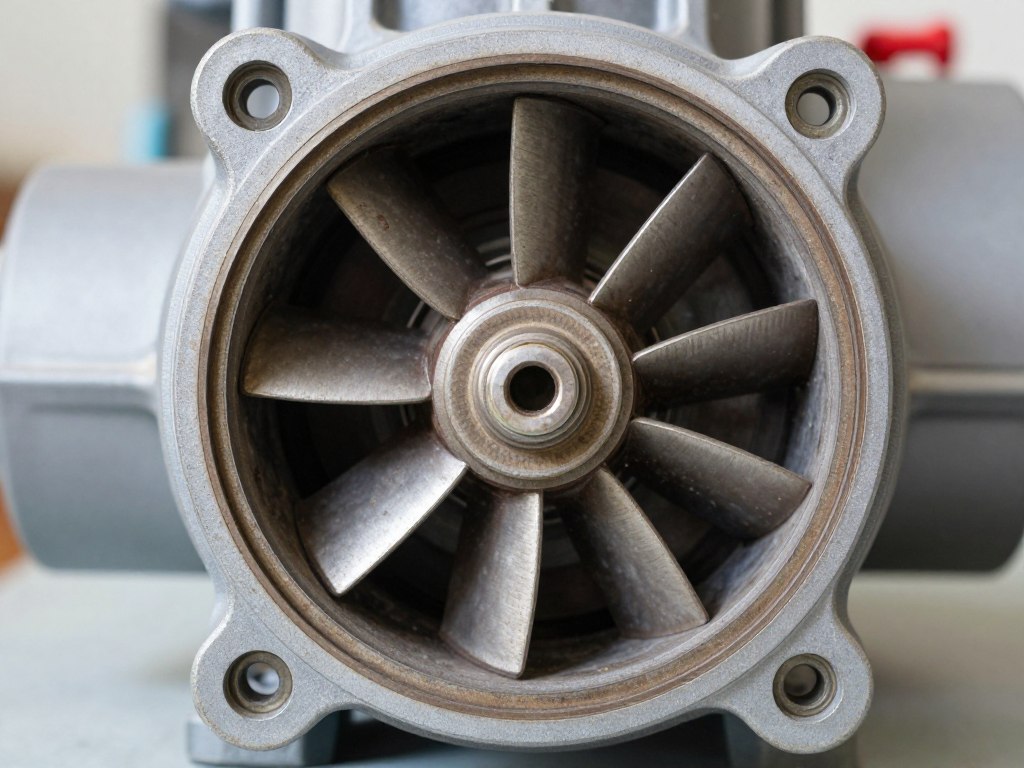
If your pump is making grinding or scraping noises, this is more serious and typically indicates:
- Worn bearings in the pump motor
- The pump impeller is damaged or worn
- Debris caught in the pump mechanism
- The pump is running dry (not enough water in the system)
Is a noisy pump dangerous? While most pump noises aren’t immediately dangerous, grinding or scraping sounds indicate mechanical failure that could lead to pump burnout. If you hear these sounds, it’s best to turn off your heating system and consult a professional promptly to prevent further damage.
Normal Pump Noises vs. Problematic Sounds
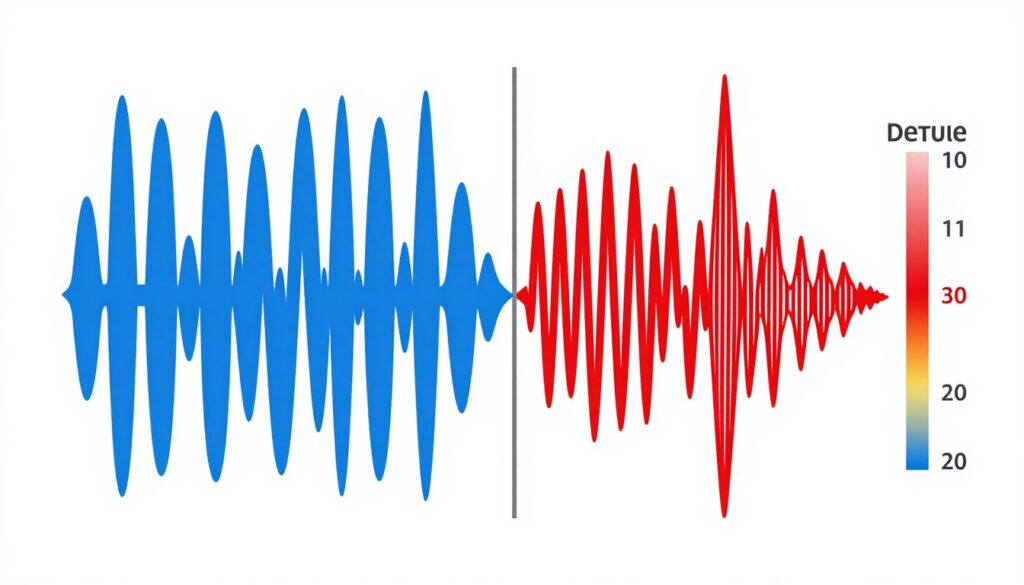
Not all noises from your central heating pump indicate a problem. Here’s how to distinguish between normal operational sounds and those that require attention:
Normal Pump Sounds
- Gentle, consistent humming
- Slight whirring when the pump starts up
- Occasional quiet clicking as the pump adjusts
- Brief gurgling when the system first starts after being off
Problematic Pump Sounds
- Loud, persistent humming or buzzing
- Rhythmic banging or knocking
- Grinding or scraping noises
- Continuous gurgling that doesn’t subside
- Rattling or vibrating sounds
If your pump has always made a certain level of noise since installation and operates efficiently, this is likely its normal sound profile. However, any sudden change in noise level or type should be investigated.
Diagnosing Your Noisy Central Heating Pump
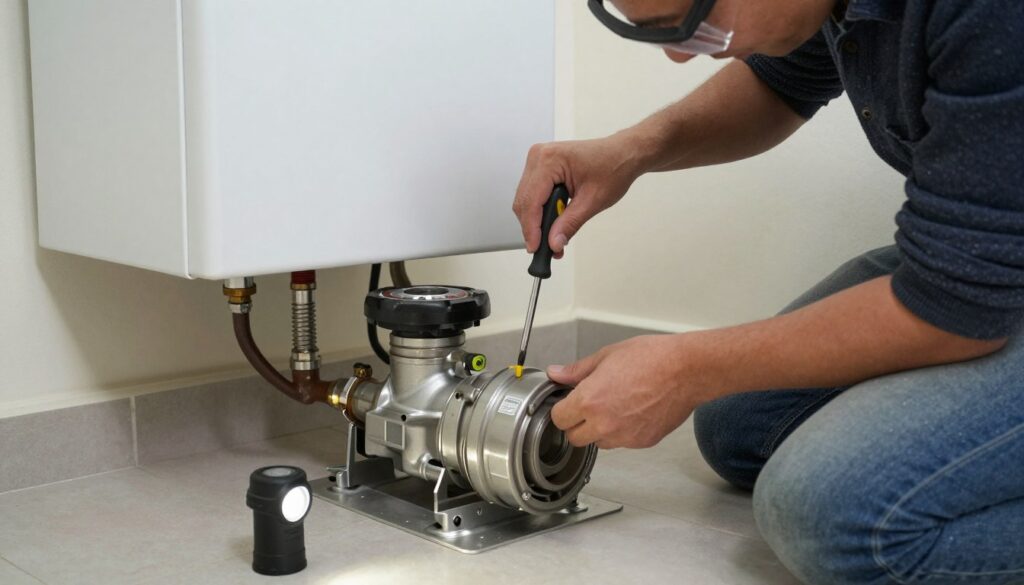
Before attempting any fixes, it’s important to properly diagnose what’s causing your central heating pump noise. Follow these steps to identify the source of the problem:
Step 1: Identify When the Noise Occurs
- Does the noise happen only when the heating first turns on?
- Is it constant whenever the heating is running?
- Does it get worse as the system heats up?
- Does it occur only at certain times of day or in certain weather?
Step 2: Locate the Exact Source
While you might think the noise is coming from the pump, it could actually be originating from nearby pipes or other components. Try to pinpoint exactly where the sound is coming from.
Step 3: Check Your Pump Settings
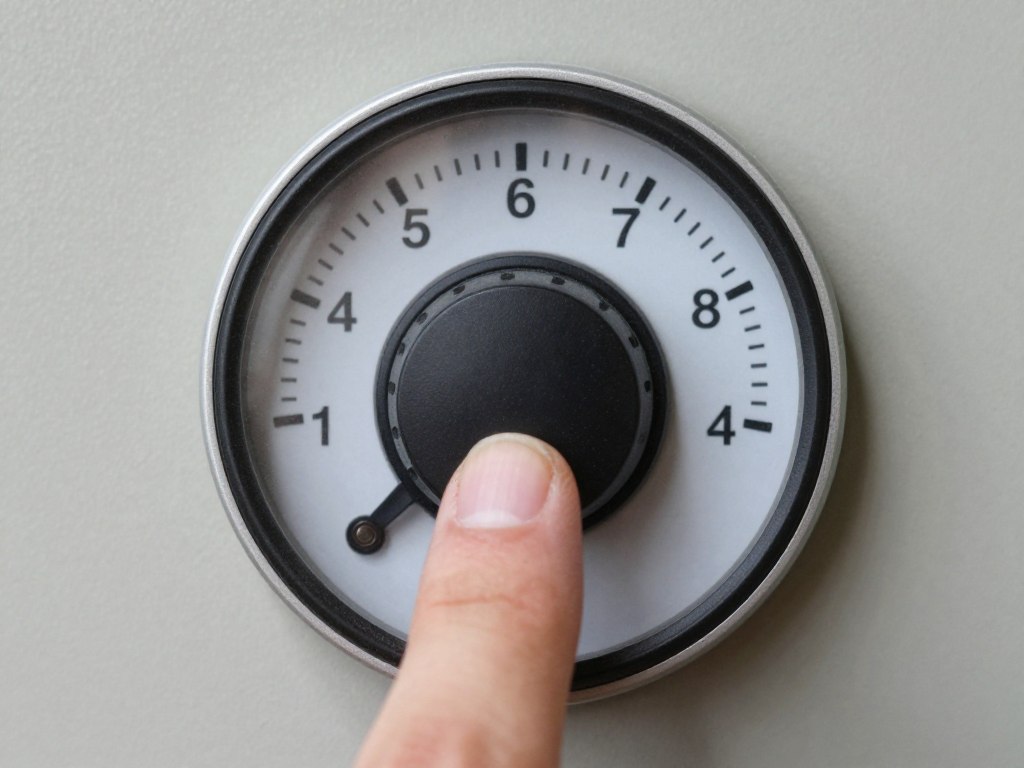
Many central heating pumps have adjustable speed settings (usually 1-3, with 1 being the slowest). Check if your pump is set to a higher speed than necessary, as this can cause excessive noise.
Step 4: Inspect for Visible Issues
- Look for any loose mountings or brackets
- Check if the pump is properly secured
- Inspect for any signs of leaks around the pump
- Look for vibrating pipes that might be causing noise
Common Fixes for a Noisy Central Heating Pump
Once you’ve diagnosed the likely cause of your noisy central heating pump, here are some common fixes you can try yourself:
1. Bleeding Air from the Pump
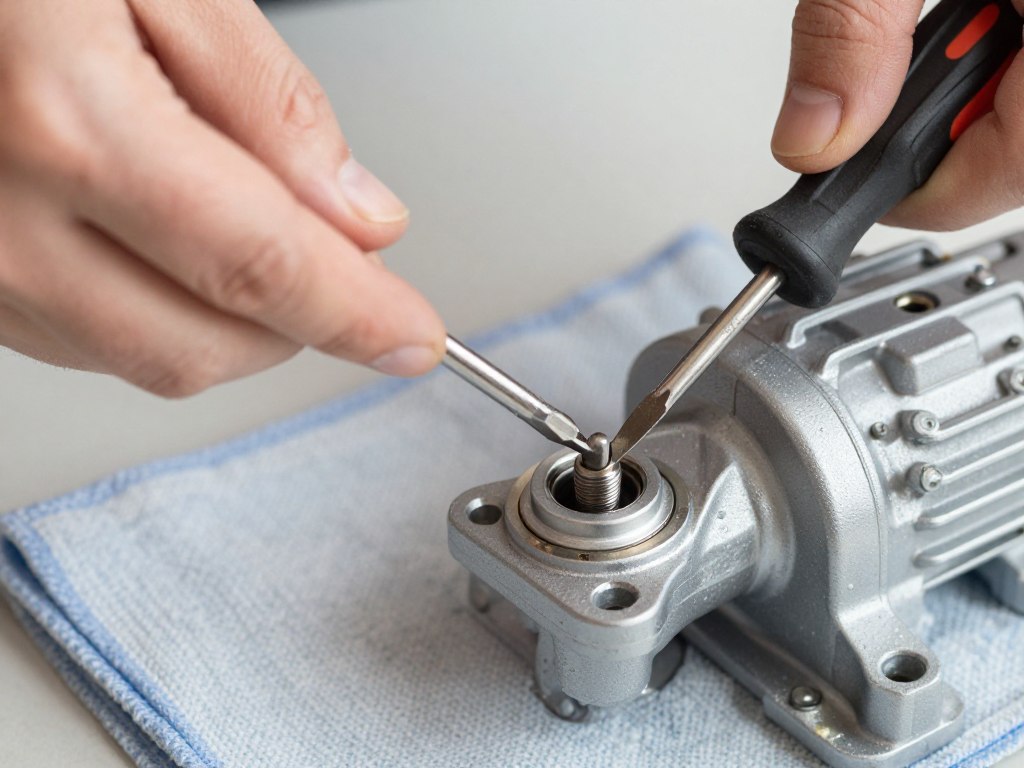
If you suspect air is trapped in your pump (indicated by knocking or gurgling):
- Turn off the electrical supply to the pump
- Place a cloth under the pump to catch any water
- Locate the bleed screw (usually a flat-headed screw on the pump casing)
- Slowly turn the screw counterclockwise by about a quarter turn
- You should hear a hissing sound as air escapes
- Once water begins to dribble out, tighten the screw again
- Turn the power back on and check if the noise has improved
2. Adjusting Pump Speed

If your pump is humming loudly, it may be set to a higher speed than necessary:
- Locate the speed control dial on your pump (usually numbered 1-3)
- Note the current setting
- Turn the setting down one level (e.g., from 3 to 2)
- Run your heating system for several hours to see if radiators still heat properly
- If heating is sufficient and noise is reduced, keep the lower setting
- If radiators don’t heat properly, return to the original setting
3. Securing Loose Components
Vibration and rattling noises often come from loose mountings:
- Check that the pump is securely mounted
- Tighten any loose brackets or screws (don’t overtighten)
- Ensure nearby pipes are properly clipped and supported
- Consider adding rubber isolation mounts to reduce vibration
4. Dealing with System Debris
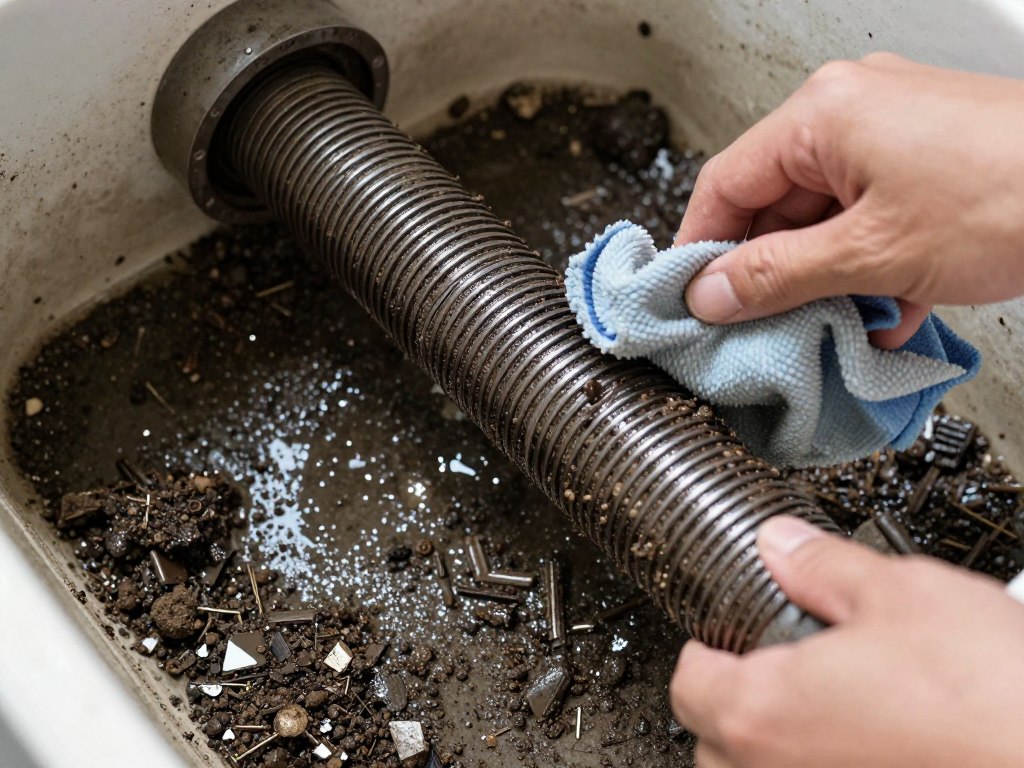
If your pump is making grinding noises due to debris:
- Consider installing a magnetic filter to catch debris before it reaches the pump
- You may need a professional to perform a system flush to remove built-up sludge
- Regular maintenance can prevent future build-up
When to Call a Professional
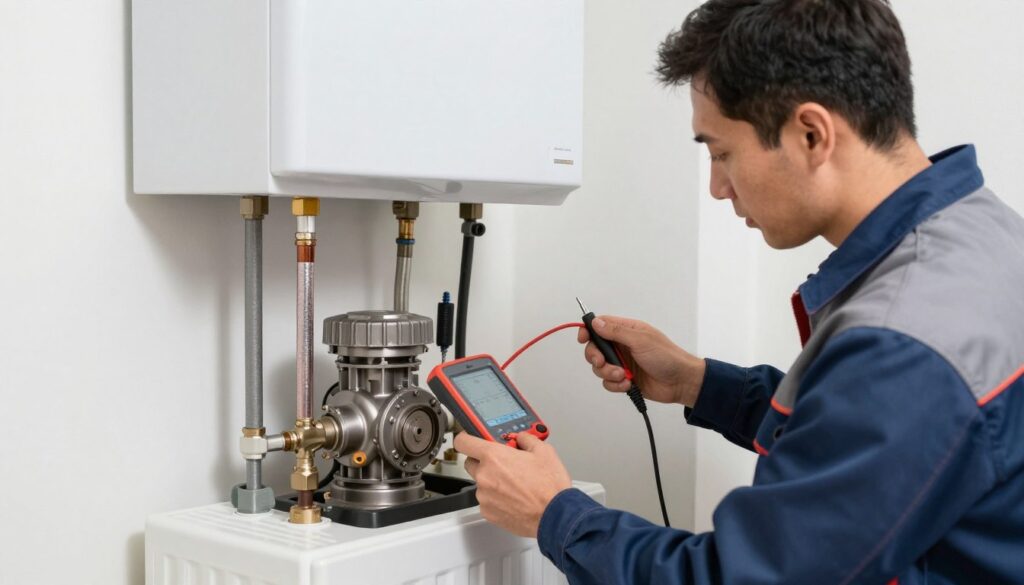
While many central heating pump noises can be addressed with the DIY solutions above, some situations require professional intervention:
Call a qualified heating engineer immediately if:
- Your pump is making grinding or scraping noises
- You notice water leaking from the pump
- The pump casing feels extremely hot to touch
- DIY fixes haven’t resolved the noise issue
- Your heating system isn’t functioning properly
A professional heating engineer has the tools, parts, and expertise to:
- Safely dismantle and clean the pump internals
- Replace worn bearings or damaged impellers
- Perform a power flush of your entire heating system
- Replace the pump if necessary
- Check for wider system issues that might be affecting the pump
Need Expert Help With Your Noisy Central Heating Pump?
If you’ve tried the basic troubleshooting steps and your pump is still making noise, it’s time to consult a professional. A qualified heating engineer can diagnose complex issues and provide lasting solutions.
Preventing Future Central Heating Pump Noise
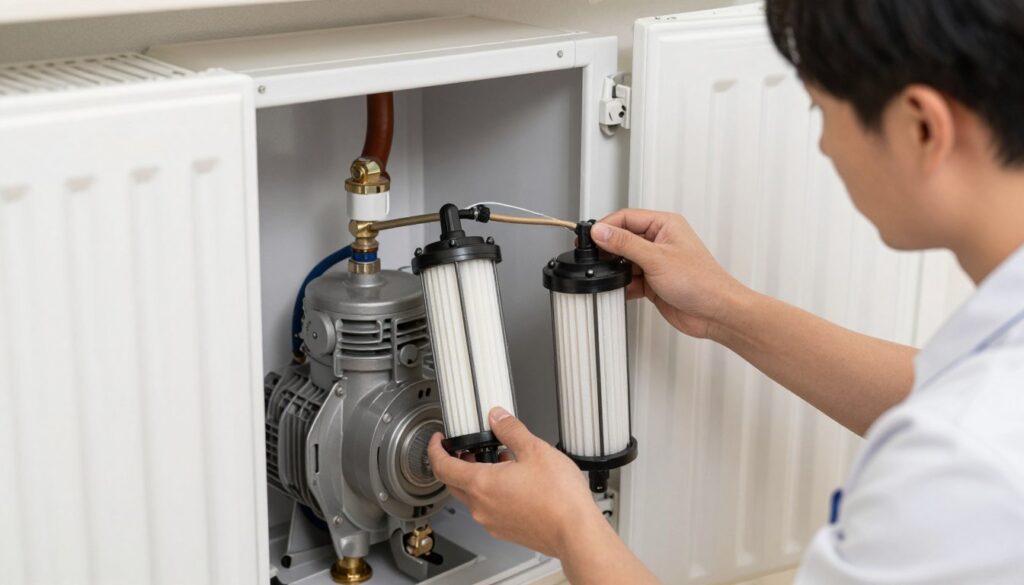
Once you’ve resolved your current pump noise issues, these preventative measures can help avoid future problems:
Regular Maintenance
- Have your heating system professionally serviced annually
- Check your system pressure regularly (typically 1-1.5 bar when cold)
- Bleed radiators at the start of each heating season
System Protection
- Install a magnetic filter to catch debris before it reaches your pump
- Add corrosion inhibitor to your heating system water
- Consider a scale reducer if you live in a hard water area
Optimal Settings
Keep your pump running at the lowest effective speed setting. This reduces noise, saves energy, and extends the pump’s lifespan.
Conclusion
A noisy central heating pump can be concerning, but in many cases, the issue can be diagnosed and fixed without major expense. By understanding what different noises mean and following the troubleshooting steps in this guide, you can often resolve the problem yourself.
Remember that your central heating pump is a vital component of your heating system. Regular maintenance and prompt attention to unusual noises will help ensure it continues to function efficiently, keeping your home warm and comfortable for years to come.
If you’re ever in doubt about the cause of pump noise or don’t feel confident making adjustments yourself, it’s always best to consult a qualified heating engineer. The cost of professional advice is often much less than dealing with a completely failed pump or damaged heating system.
Frequently Asked Questions
How do I know if my central heating pump needs replacing?
Consider replacement if your pump: makes grinding noises that don’t resolve with bleeding; leaks from the pump body (not connections); feels excessively hot; fails to circulate water effectively; or is more than 10-15 years old with recurring issues. A qualified heating engineer can help you make this assessment.
Why does my central heating pump make noise at night?
Pump noises often seem louder at night because: background noise is reduced; your heating system may be cooling down and contracting; pressure changes occur as temperatures drop; and you’re more sensitive to sounds when trying to sleep. If the noise is sudden or severe, it still warrants investigation.
Can I run my heating system if the pump is making noise?
It depends on the type of noise. Gentle humming or occasional gurgling is usually safe to run temporarily. However, if you hear grinding, scraping, or loud banging noises, it’s best to turn off your heating system until the issue can be diagnosed, as continued operation could cause further damage to the pump or system.
Leave A Comment