

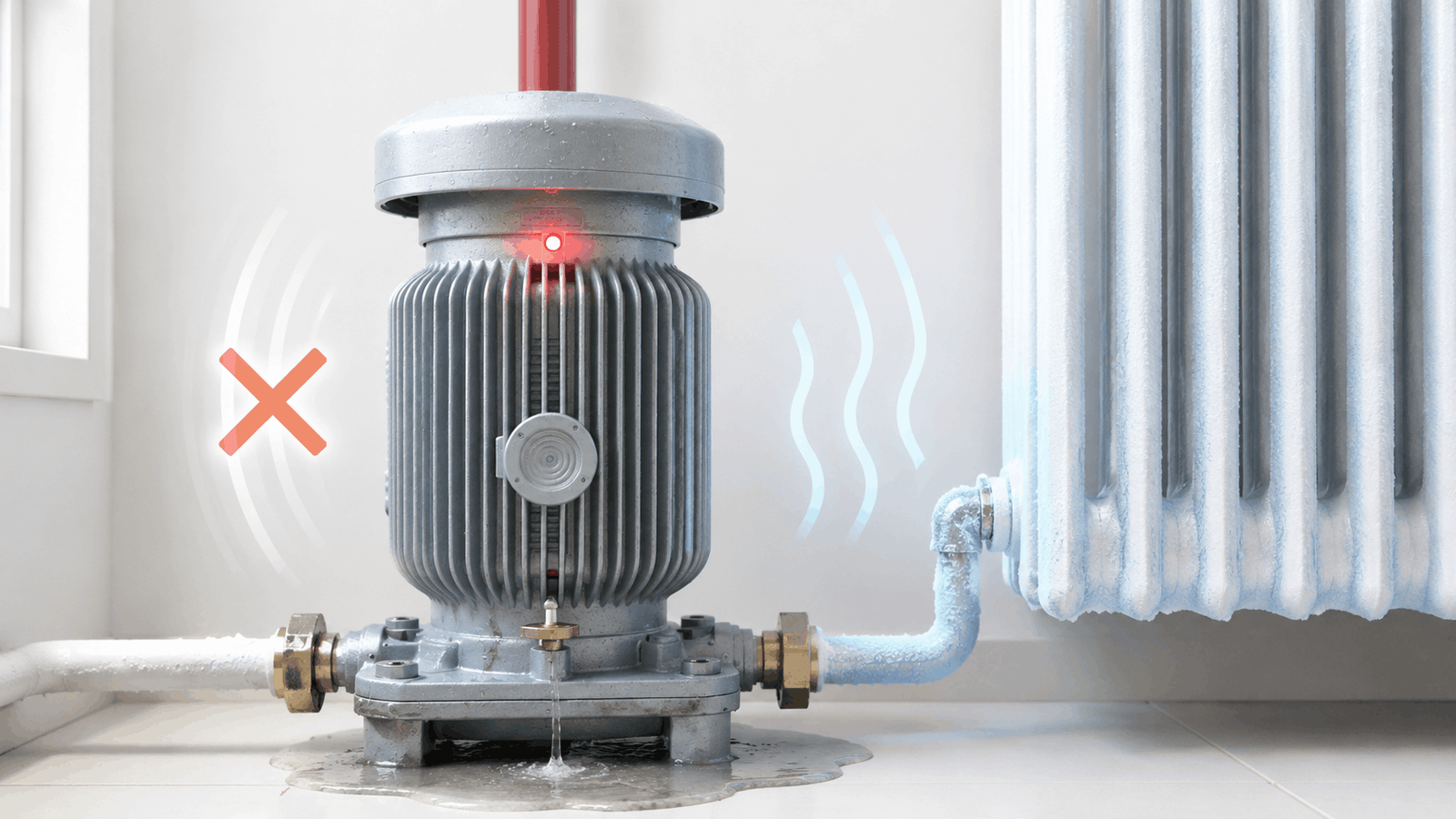
Central Heating Pump Troubleshooting Summary
| Problem or Check | Common Signs | Possible Cause | Recommended Action | Professional Help? |
|---|---|---|---|---|
| Basic checks | Pump appears inactive or heating is not working | Power interruption, incorrect thermostat setting, low pump speed or tripped fuse | Check the power supply, fuse, circuit breaker, thermostat and pump speed. Restart the pump by switching its power off for 30 seconds. | Usually not required |
| Pump has no power | No vibration, warmth or operating sound | Faulty wiring, failed capacitor, damaged motor or power supply problem | Check breakers and fuses. Do not open or repair electrical components unless properly qualified. | Yes, when power checks do not solve the issue |
| Pump runs but radiators stay cold | Pump vibrates or makes a normal sound, but heat is not circulating | Airlock, sludge, blocked impeller, closed valve or pump speed set too low | Bleed the pump, check valve positions and increase the speed by one setting. Allow around 30 minutes to assess the result. | Required for internal blockages or persistent circulation problems |
| Unusual pump noise | Loud humming, grinding, rattling or rumbling | Trapped air, loose components, debris, worn bearings or low system pressure | Bleed the pump, check system pressure and make sure the pump is securely mounted. | Yes, for grinding noises or suspected bearing damage |
| Pump leaking | Water around connections, bleed screw or pump body | Loose connection, failed seal or cracked pump casing | Identify the source. Carefully tighten an external connection if appropriate. Pump-body leaks normally require replacement. | Yes, for body leaks, damaged seals or casing cracks |
| Pump is excessively hot | Pump casing is too hot to touch comfortably | Seized shaft, blocked circulation, electrical failure or internal overheating | Turn off the pump and heating system. Avoid continuing to operate the pump until it has been inspected. | Yes, immediately |
| Burning smell | Burning or electrical odor from the pump | Burned wiring, damaged motor windings or another serious electrical fault | Switch off the electrical supply and heating system immediately. | Yes, immediately |
| Low system pressure | Poor circulation, cold radiators or repeated airlocks | Boiler pressure below the normal operating range | Check the boiler gauge. A typical domestic system commonly operates at approximately 1–1.5 bar when cold. | Required if pressure repeatedly falls |
| Repairable pump issue | Minor airlock, incorrect speed, loose connection or temporary blockage | Settings, trapped air or a minor system problem | Try bleeding, restarting, adjusting the speed and checking external connections. | Not always |
| Pump replacement | Seized motor, body leak, cracked casing, repeated failures or major electrical damage | Advanced wear, corrosion or internal component failure | Consider replacement when the pump is around 10–15 years old, repairs are recurring or repair costs exceed roughly half the cost of a new pump. | Yes |
| Preventive maintenance | No current fault; intended to reduce future problems | Long periods of inactivity, sludge, corrosion or gradual wear | Run the heating briefly each month during summer, monitor pressure, check for leaks, use inhibitor and arrange periodic system flushing. | Annual professional servicing is recommended |
| Safety warning | Electrical fault, burning smell, overheating or major leak | Potential electrical, fire or water-damage hazard | Turn off the electrical supply before inspecting the pump. Never work on internal electrical components without suitable training. | Contact a qualified heating engineer |
What Is a Central Heating Pump and Why Is It Important?
Your central heating pump (sometimes called a circulator pump) is the heart of your heating system. It circulates hot water from your boiler through pipes to your radiators and back again. Without this circulation, heat cannot be distributed effectively throughout your home.
The pump is typically located near your boiler, in an airing cupboard, or close to the hot water cylinder in non-combi systems. In older properties, it might even be hidden under floorboards. Identifying its location is your first step in diagnosing any issues.
Step-by-Step Central Heating Pump Symptom Checklist
Before diving into complex diagnostics, work through this systematic checklist to identify your pump issue. Start with the simplest checks before moving to more complex observations.
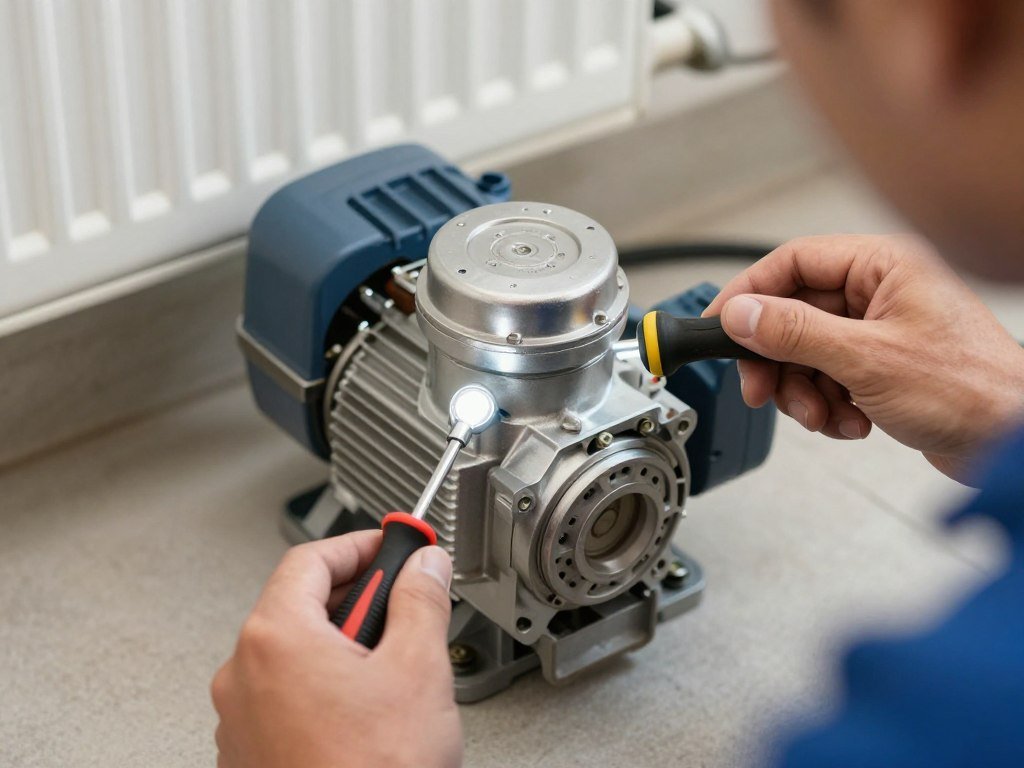
Basic Power and Setting Checks
- Verify the power supply to the pump is turned on
- Check that the circuit breaker or fuse for the pump hasn’t tripped
- Ensure the pump’s speed setting is appropriate (usually on a dial marked 1-3)
- Confirm that your boiler is actually calling for heat (thermostat is set correctly)
- Try resetting the pump by switching off the power for 30 seconds
Physical Observation Checks
- Place your hand on the pump – it should feel warm and have a slight vibration
- Listen for unusual noises (humming, knocking, or rattling)
- Check for any water leaking from the pump body or connections
- Examine if the pump casing feels excessively hot to touch
- Check if the flow pipe leaving the pump is warm (indicating water circulation)
System Performance Checks
- Test if any radiators are heating (partial or complete system failure)
- Check if hot water is available at taps (in combi systems)
- Monitor if the pump runs constantly or cycles on and off irregularly
- Verify the system pressure on your boiler gauge (should typically be 1-1.5 bar)
Safety First: Always turn off the electrical supply to the pump before attempting any physical inspection that requires removing covers or touching internal components.
Electrical vs. Mechanical Issues: Understanding the Difference
Central heating pump problems typically fall into two categories: electrical and mechanical. Identifying which category your issue belongs to can help determine the appropriate solution.
Electrical Issues
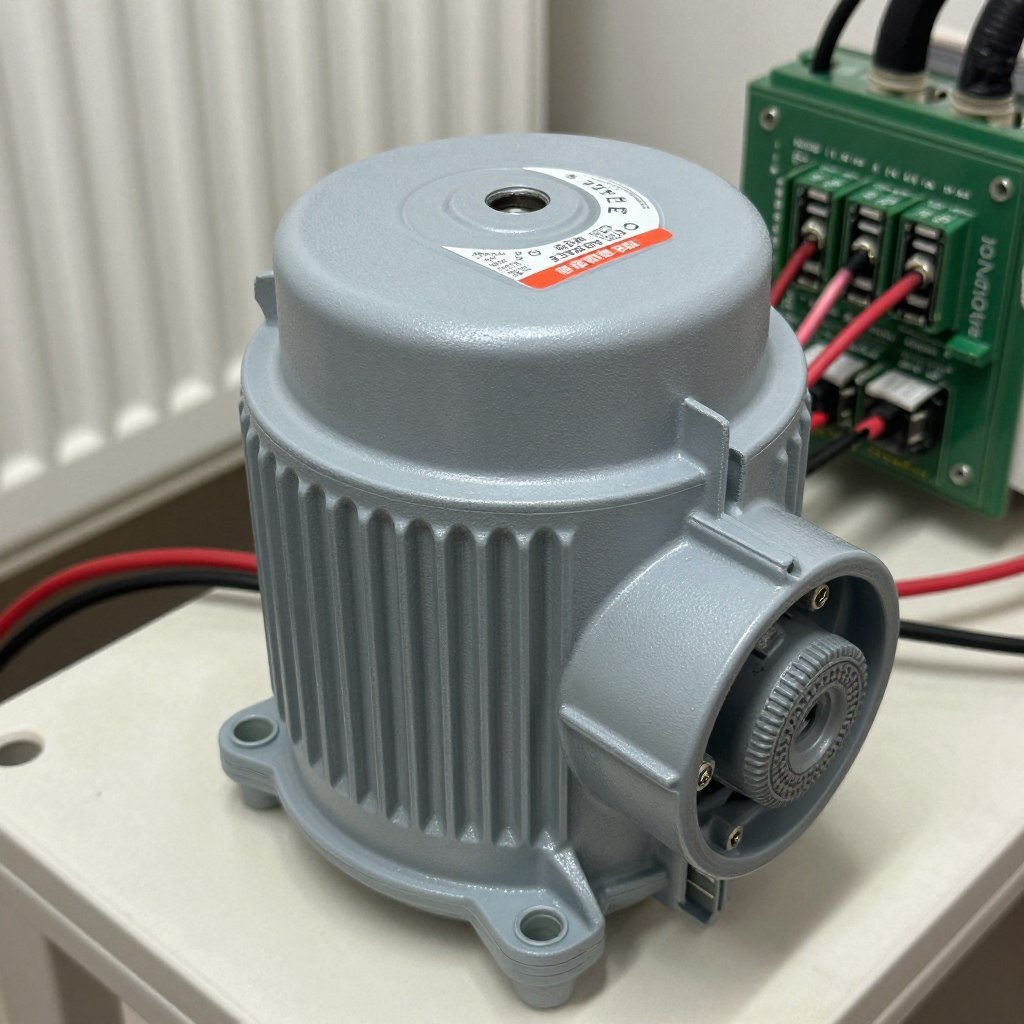
Symptoms:
- Pump is completely dead (no vibration or warmth)
- Pump starts but then stops unexpectedly
- Pump runs at incorrect speeds regardless of setting
- Pump makes humming noise but doesn’t turn
- Circuit breaker trips when pump is running
Common Causes:
- Faulty wiring or loose connections
- Failed capacitor (especially in older pumps)
- Burned out motor windings
- Faulty speed controller
- Power supply issues
Mechanical Issues
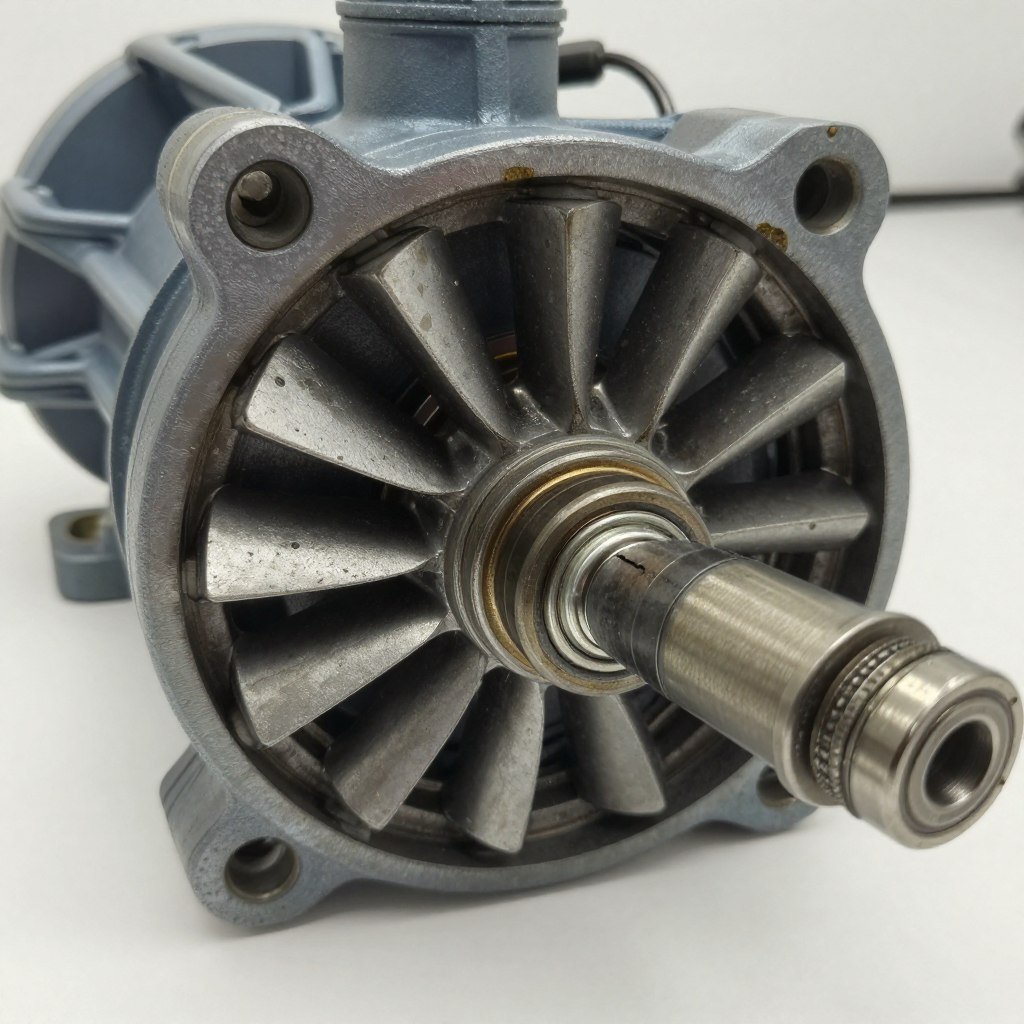
Symptoms:
- Pump is running but radiators stay cold
- Unusual grinding or rattling noises
- Pump is leaking water
- Pump is excessively hot to touch
- Pump vibrates excessively
Common Causes:
- Seized pump shaft or impeller
- Air lock in the pump
- Debris or sludge buildup
- Worn bearings
- Damaged seals causing leaks
Pro Tip: If you can hear the pump running but have no heat, it’s likely a mechanical issue. If the pump shows no signs of life, you’re probably dealing with an electrical problem.
Common User Mistakes Why Central Heating Pump Not Working
When troubleshooting central heating pump problems, homeowners often make these common mistakes that can lead to incorrect diagnosis or unnecessary repairs.
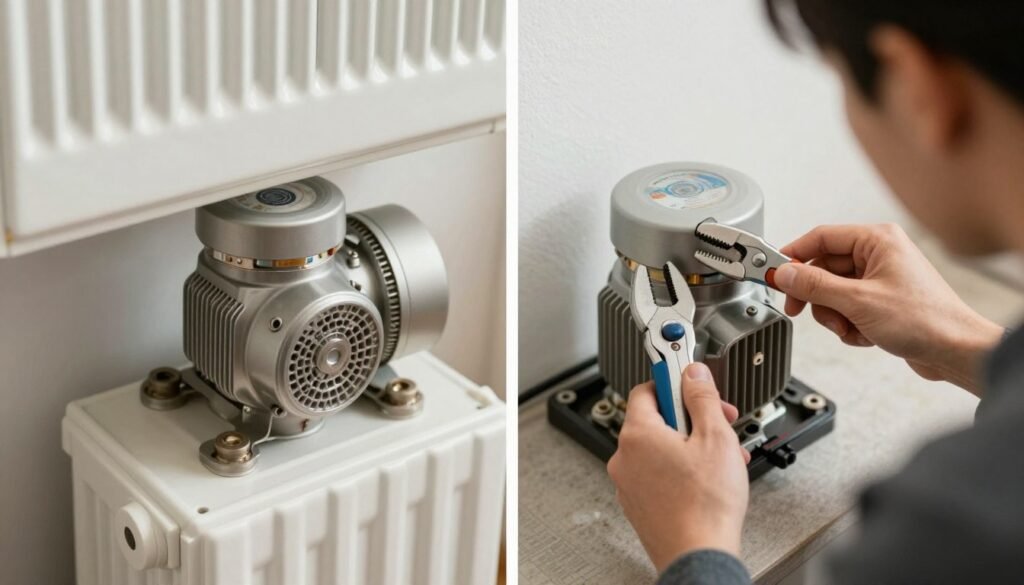
Mistaking Boiler Faults for Pump Issues
Many homeowners blame the pump when the actual problem lies with the boiler itself. If your boiler isn’t firing up properly or has a fault code displayed, the issue might not be with your pump at all. Always check if your boiler is functioning correctly before assuming the pump is faulty.
Misinterpreting Normal Pump Sounds
A properly functioning pump will make a low humming sound and have a slight vibration. This is normal operation, not a fault. However, grinding, rattling, or excessively loud humming are signs of potential problems that should be investigated.
Incorrect Speed Settings
Setting your pump speed too low can result in insufficient water circulation, while setting it too high wastes electricity and causes unnecessary wear. The optimal setting depends on your specific system size and configuration. Most domestic systems work well on setting 2 (medium).
Ignoring System Pressure
Low system pressure can cause pump circulation problems that mimic a faulty pump. Always check your boiler’s pressure gauge (it should read between 1-1.5 bar) before concluding that your pump has failed.
Overlooking Simple Fixes
Many pump issues can be resolved by simple actions like bleeding the pump, adjusting settings, or removing air locks. Don’t assume you need a replacement pump before trying these basic fixes.
How Do I Know If My Central Heating Pump Is Broken?
One of the most common questions homeowners ask is how to determine if their central heating pump is actually broken or just experiencing a temporary issue. Here are the definitive signs of pump failure:
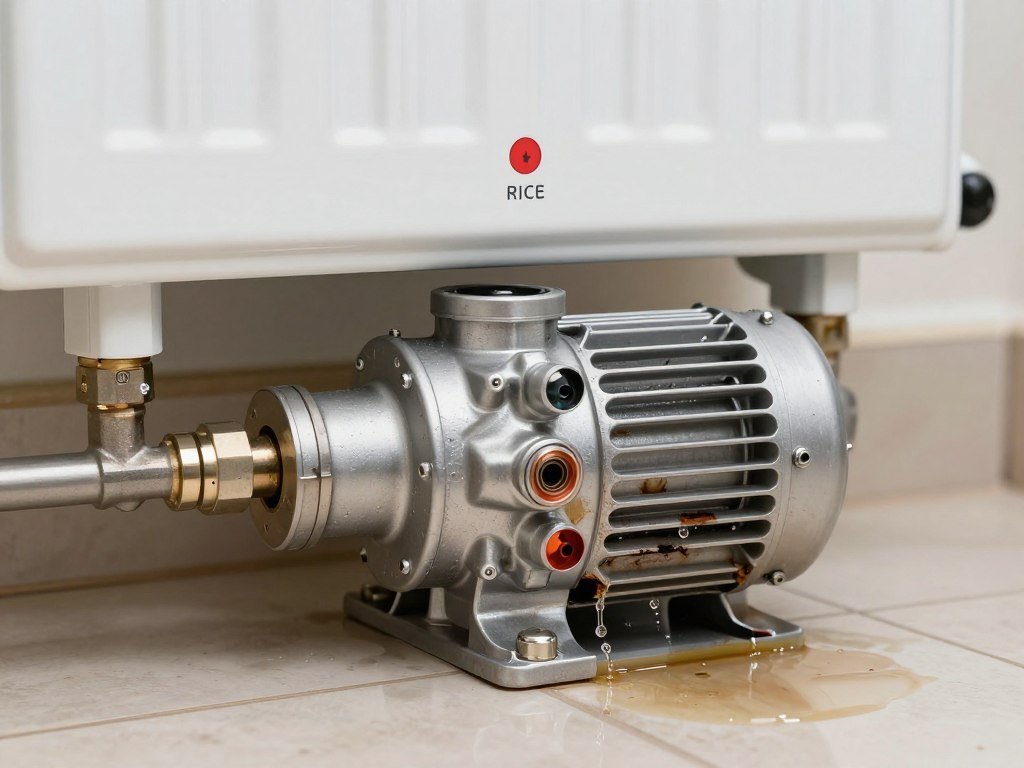
Repairable Issues
- Pump needs bleeding (air trapped inside)
- Speed setting needs adjustment
- Minor debris blockage that can be cleared
- Loose electrical connections
- Temporary airlock in the system
- Pump needs restarting after power outage
Signs of Pump Failure
- Pump is completely unresponsive despite power
- Burning smell coming from the pump
- Visible damage to pump housing
- Significant water leaking from pump body (not connections)
- Pump shaft is seized and cannot be manually turned
- Excessive heat from pump despite no circulation
If your pump shows multiple signs from the “Pump Failure” list, it’s likely that replacement is necessary. However, before making that determination, try the diagnostic steps in the next section.
What Are the Signs of Pump Failure?
Understanding the specific signs of pump failure can help you communicate more effectively with heating engineers and make informed decisions about repairs or replacements.
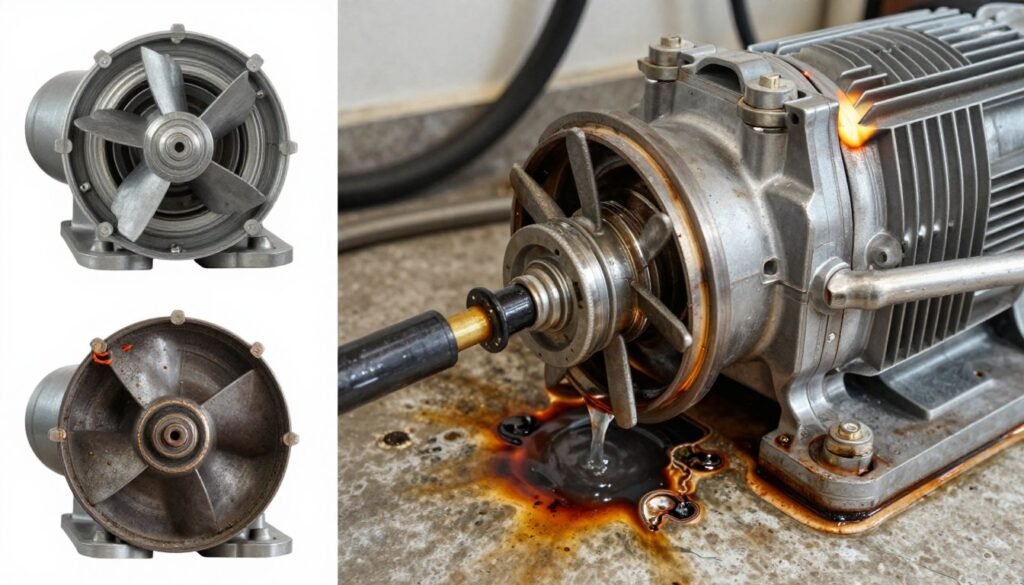
Immediate Signs Requiring Attention
- Complete Loss of Function: The pump shows no signs of operation despite having power. No vibration, no heat, and no noise indicate a total failure.
- Unusual Noises: Grinding, scraping, or loud rattling noises suggest internal mechanical damage to bearings or the impeller.
- Water Leakage: Water leaking directly from the pump body (not just connections) indicates seal failure or casing damage.
- Burning Smell: Any burning odor coming from the pump suggests electrical failure and is a serious safety concern requiring immediate attention.
- Excessive Heat: If the pump casing is too hot to touch comfortably, internal components may be overheating due to failure.
Progressive Signs of Deterioration
- Inconsistent Operation: The pump works intermittently, turning on and off unpredictably.
- Reduced Heating Performance: Radiators take much longer to heat up or don’t reach full temperature.
- Unresponsive to Setting Changes: Adjusting the pump speed settings produces no noticeable difference in performance.
- Increasing Noise Levels: The pump gradually becomes louder over time, indicating progressive wear.
- Frequent Airlocks: Repeatedly needing to bleed the pump despite no other system changes.
Warning: If you notice a burning smell, excessive heat, or electrical issues with your pump, turn off both the pump and your heating system immediately and consult a professional. These symptoms can indicate safety hazards.
Central Heating Pump Not Working Troubleshooting Guide
Follow this systematic troubleshooting guide to diagnose and potentially resolve common Central Heating Pump Not Working issues. Always proceed from the simplest checks to more complex solutions.
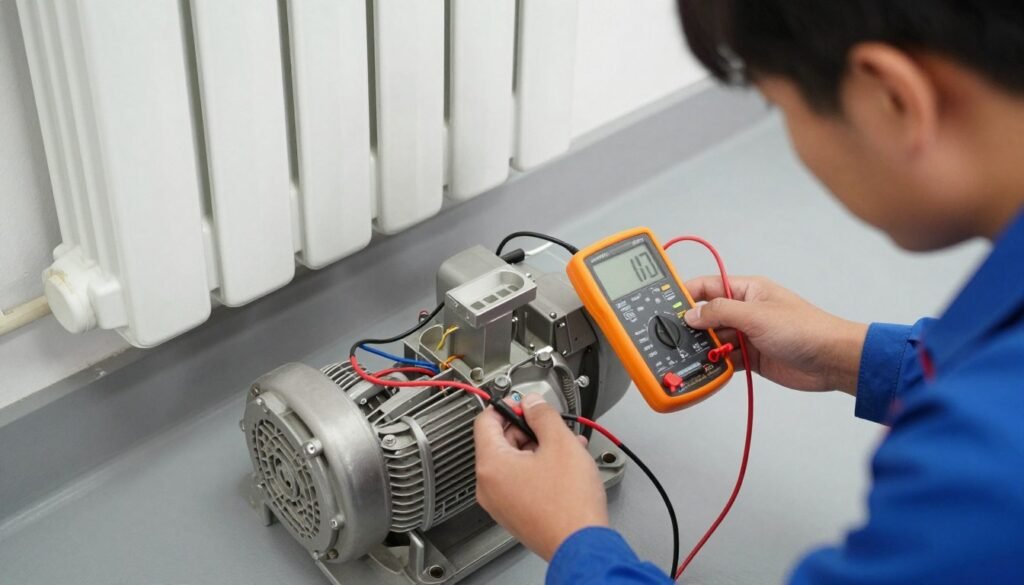
Problem: Pump Is Running But No Heat in Radiators
- Check for airlocks: Air trapped in the pump can prevent water circulation. Locate the bleed screw on the pump (usually a large screw on the face of the pump) and carefully loosen it with a flathead screwdriver. Have a cloth ready to catch water. When water flows steadily without air bubbles, retighten the screw.
- Inspect for blockages: System debris can block the impeller. If you’re comfortable doing so, turn off power and water supply, then remove the pump head to check for debris around the impeller.
- Verify valve positions: Ensure all radiator valves and system valves are open to allow proper water flow.
- Check pump speed setting: The pump may be set too low for your system. Try increasing to the next setting and wait 30 minutes to see if heating improves.
Problem: Pump Is Making Unusual Noises
- Identify the noise type: Humming suggests electrical issues, rattling indicates loose components, and grinding points to bearing failure or debris.
- Bleed the pump: Air in the system is a common cause of noise. Follow the bleeding procedure described above.
- Check mounting: Ensure the pump is securely mounted and all bolts are tight.
- Listen for cavitation: A rumbling noise might indicate cavitation (water vaporizing inside the pump). This can be caused by low system pressure or blockages.
Problem: Pump Has No Power
- Check the obvious: Verify that power is reaching the pump by checking circuit breakers and fuses.
- Test the wiring: If you have electrical knowledge, use a multimeter to check for voltage at the pump terminals.
- Inspect for damage: Look for any visible damage to wiring or burn marks on the pump.
- Reset the pump: Some pumps have reset buttons or can be reset by disconnecting power for 30 seconds.
Problem: Pump Is Leaking
- Identify the leak source: Determine if water is coming from connections, the pump body, or the bleed screw.
- Tighten connections: If leaking from pipe connections, carefully tighten them with the appropriate tool.
- Check seals: Leaks from the pump body usually indicate failed seals, which typically means replacement is needed.
- Inspect for cracks: Any visible cracks in the pump housing require pump replacement.
When to Replace Your Central Heating Pump
Sometimes repair isn’t the most economical or effective solution. Here’s how to determine when replacement is the better option.
Factors Indicating Replacement Is Necessary
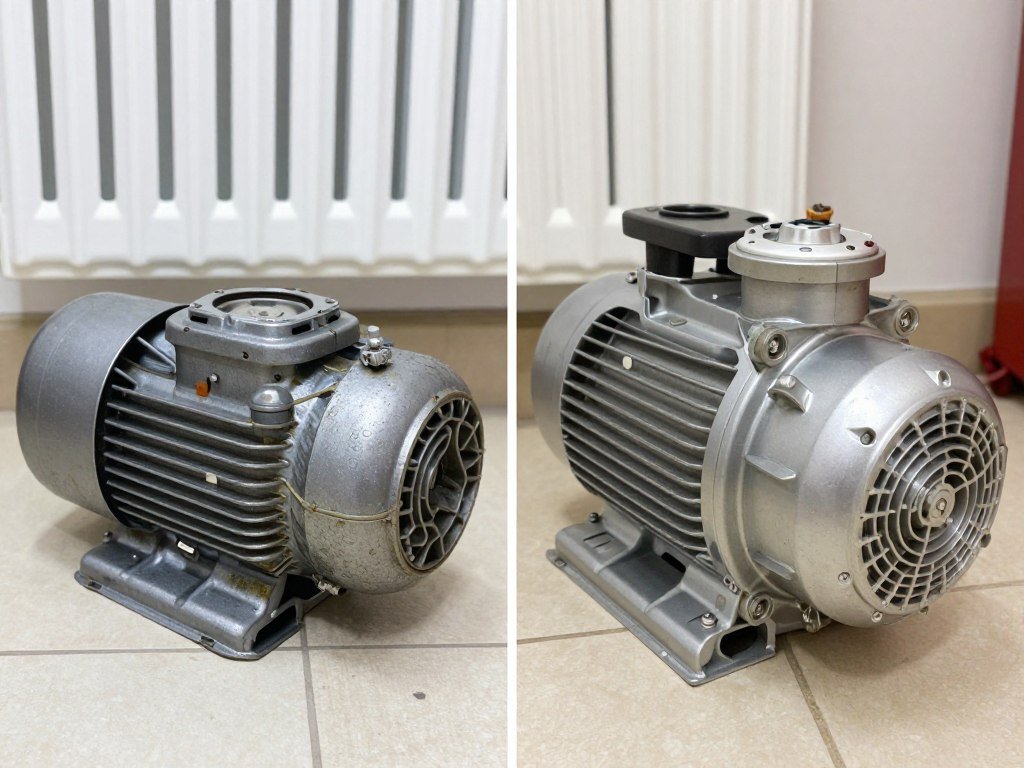
- Age of pump: Most central heating pumps have a lifespan of 10-15 years. If yours is approaching or exceeding this age, replacement is often more economical than repair.
- Repair history: If you’ve already repaired the pump multiple times in recent years, further repairs may not be cost-effective.
- Severity of damage: Cracked casings, seized motors, or extensive internal corrosion generally cannot be economically repaired.
- Parts availability: For older pump models, replacement parts may be difficult to find or no longer manufactured.
- Energy efficiency: Newer pumps are significantly more energy-efficient. Replacing an old pump can reduce electricity consumption by up to 80%.
- Cost comparison: If repair costs exceed 50% of a new pump’s price, replacement is usually the better financial decision.
| Symptom | Repair Possible? | Replacement Recommended? | Typical Cost Comparison |
| Minor noise or vibration | Yes – Often simple bleeding or adjustment | No – Unless pump is very old | Repair: £0-50 vs. Replace: £90-160 |
| Leaking from connections | Yes – Tightening or replacing seals | No – Unless persistent | Repair: £20-60 vs. Replace: £90-160 |
| Leaking from pump body | Rarely – Internal seals difficult to replace | Yes | Repair: £70-120 vs. Replace: £90-160 |
| Seized motor/impeller | Sometimes – Depends on cause | Yes – If older than 5 years | Repair: £60-100 vs. Replace: £90-160 |
| Electrical failure | Sometimes – If just capacitor or wiring | Yes – If motor windings damaged | Repair: £50-90 vs. Replace: £90-160 |
Energy Savings: Modern high-efficiency pumps can save £40-60 per year in electricity costs compared to older models. This means a new pump can pay for itself within 2-3 years through energy savings alone.
DIY vs. Professional Repair: Making the Right Choice
Deciding whether to attempt repairs yourself or call a professional depends on your skill level, the complexity of the issue, and safety considerations.
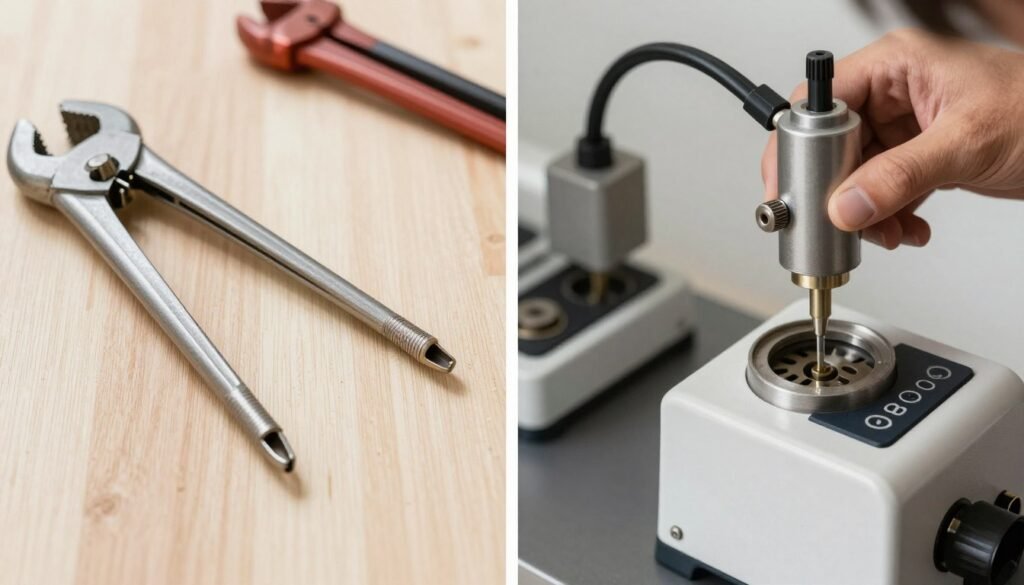
Safe DIY Tasks
- Checking power supply and connections
- Bleeding air from the pump
- Adjusting pump speed settings
- Tightening external connections
- Restarting the pump after power outage
- Visual inspection for obvious issues
When to Call a Professional
- Electrical issues beyond simple power checks
- Internal pump disassembly and repair
- Pump replacement and system integration
- Persistent leaks from pump body
- System-wide circulation problems
- If you’re unsure or uncomfortable with any repair
Safety Warning: Never work on electrical components of your heating system unless you have proper knowledge and have disconnected the power supply. Water and electricity are a dangerous combination. When in doubt, consult a professional.
Need Professional Assistance for Central Heating Pump Not Working ?
If your central heating pump issue is beyond DIY repair, contacting a qualified heating engineer is your best option.
Preventive Maintenance to Avoid Future Pump Problems
Taking proactive steps can help extend the life of your central heating pump and prevent many common issues from developing.
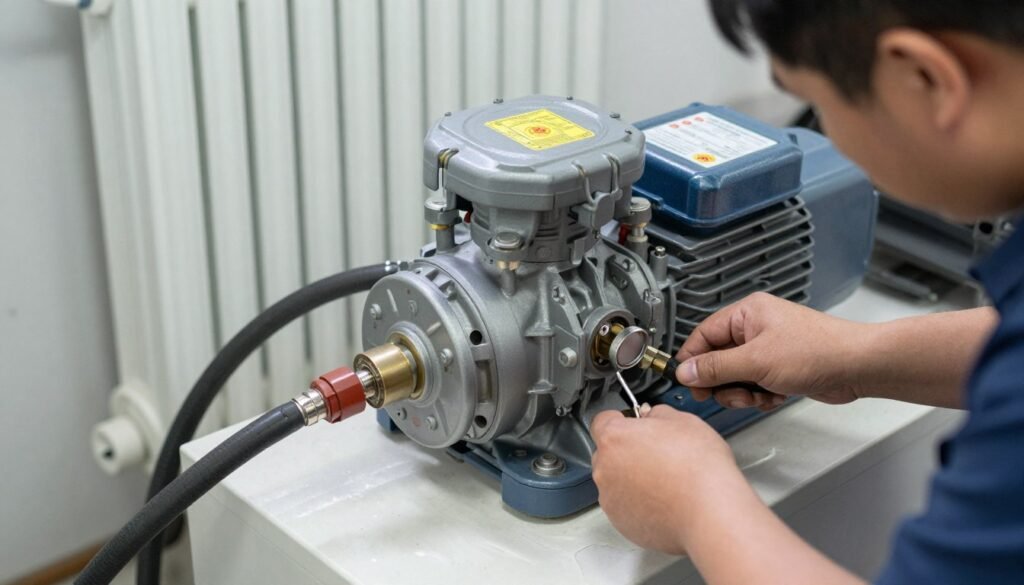
Regular Maintenance Tasks
- Run the pump periodically: Even during summer months, run your heating system for a few minutes once a month to prevent the pump from seizing.
- Check system pressure: Maintain proper system pressure (typically 1-1.5 bar) to ensure optimal pump operation.
- Listen for changes: Become familiar with how your pump normally sounds so you can identify changes early.
- Visual inspections: Periodically check for leaks, corrosion, or unusual vibration.
- System flushing: Consider having your heating system professionally flushed every 5-6 years to remove sludge and debris that can damage the pump.
System Improvements
- Install a magnetic filter: These devices capture metallic debris before it reaches and damages your pump.
- Use inhibitor chemicals: Adding proper heating system inhibitors helps prevent corrosion and sludge buildup.
- Consider water softeners: In hard water areas, these can reduce limescale buildup that affects pump efficiency.
- Upgrade to a variable speed pump: Modern pumps adjust their operation based on demand, reducing wear and saving energy.
Annual Service: Having your entire heating system professionally serviced once a year can identify potential pump issues before they become serious problems. This is particularly important for older systems.
Conclusion: Keeping Your Central Heating Pump Running Smoothly
Central Heating Pump Not Working can be concerning,but in many cases, the issue can be diagnosed and fixed without major expense.A properly functioning central heating pump is essential for a warm, comfortable home and efficient heating system operation. By understanding the common symptoms of pump problems and following the diagnostic steps outlined in this guide, you can often identify issues early and take appropriate action.
Remember that while many minor pump issues can be resolved with simple DIY fixes like bleeding air or adjusting settings, more complex problems involving electrical components or internal mechanical failure typically require professional assistance. Always prioritize safety when working with any component of your heating system.
Regular maintenance and prompt attention to early warning signs can extend your pump’s lifespan and help avoid the inconvenience and discomfort of heating system failures during cold weather. If your pump is older than 10 years or showing multiple signs of failure, replacement with a modern, energy-efficient model is often the most economical long-term solution.
Still Having Central Heating Pump Issues?
If you’ve tried the diagnostic steps in this guide but still have problems with your central heating pump, professional help is just a click away.
2 Replies to “Central Heating Pump Not Working”
[…] central heating pump not working at all, rather than just sounding off, usually means an electrical fault, a seized motor, or a […]
[…] If pump noise is your main issue rather than heating performance, our guide to a noisy central heating pump goes through every noise type in detail, from gurgling to grinding, and what each one means. If the pump isn’t running at all, see our separate guide on a central heating pump not working. […]