

| Section | Key Points |
|---|---|
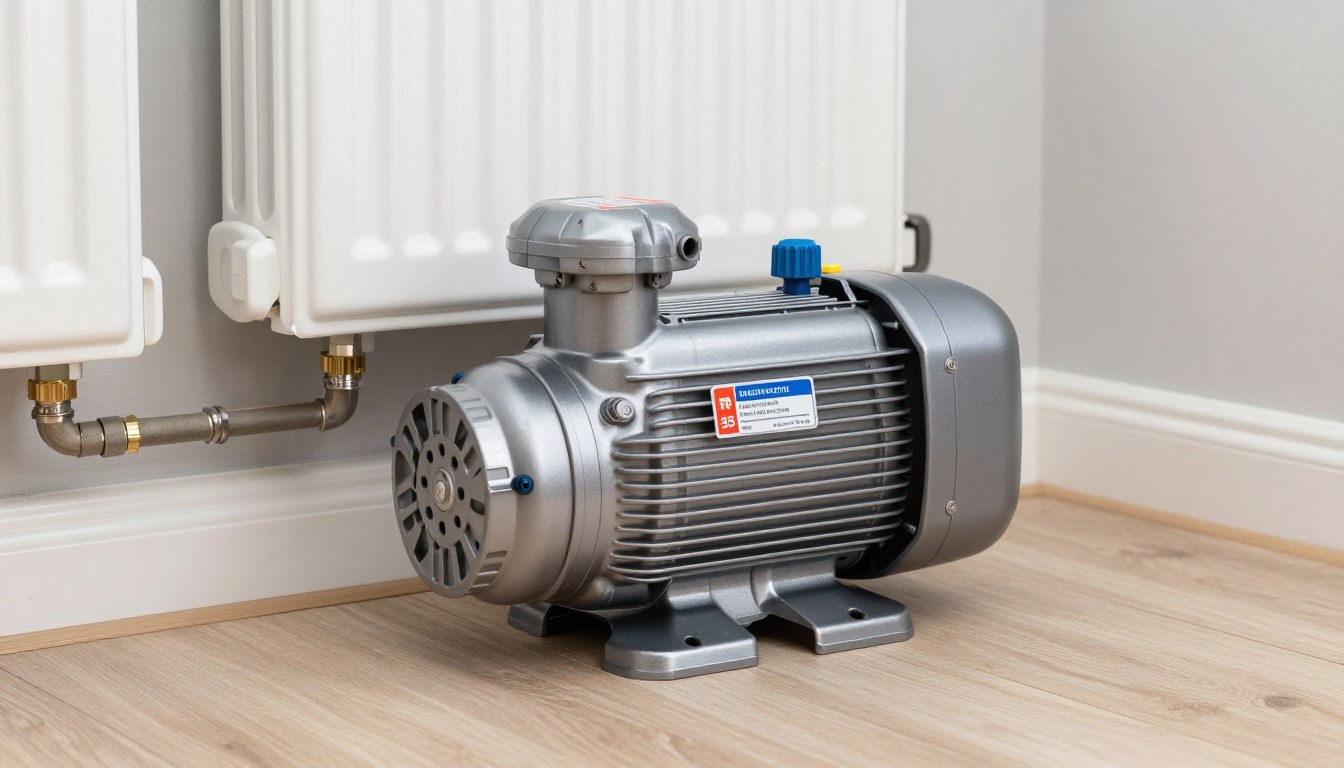
| Overview | Central heating pump circulates hot water through radiators; essential for system performance. Faulty pumps cause cold radiators, noise, and inefficiency. |
| How It Works | Motor-driven impeller pushes heated water through pipes and back to the boiler. Modern pumps are energy-efficient (5–8W vs older 60–100W). |
| Key Specifications | Head pressure (m) = ability to overcome resistance; Flow rate (m³/h) = water movement volume. |
| Popular Brands | Grundfos (premium, AUTOADAPT, long lifespan), Wilo (efficient), Stuart Turner (strong performance), DAB (budget-friendly). |
| Best Pump Choice | Choose based on system size, radiators, and pipework. Look for A-rated energy efficiency, variable speed, and 2+ year warranty. |
| Replacement Cost | Total cost: £150–£430. Pump: £60–£200, Labour: £80–£180, Materials: £10–£50. Premium pumps save energy long-term. |
| Replacement Process | Requires draining system, removing old pump, installing new one, and balancing system. Best done by professionals. |
| Pump Speed | Too fast = noise & energy waste; too slow = poor heating. Use lowest effective speed or automatic variable-speed pumps. |
| Pump Sizing | Typical homes: 4–6m head, 2.5–3.5 m³/h flow. Oversized wastes energy; undersized reduces performance. |
| Bleeding Pump | Removes trapped air causing noise or failure. Must switch off power before loosening bleed screw. |
| Common Problems | No power, seized motor, sludge buildup, electrical faults. Older pumps often better replaced than repaired. |
| Noisy Pump | Causes: air, loose fittings, worn bearings. Fix by bleeding, tightening, or replacing if worn. |
| Lifespan & Efficiency | Typical lifespan: 8–12 years. Modern pumps use 25–40 kWh/year vs much higher older models. |
| Conclusion | Proper maintenance and correct pump selection improve efficiency, reduce costs, and prevent breakdowns. |
Central Heating Pumps Explained
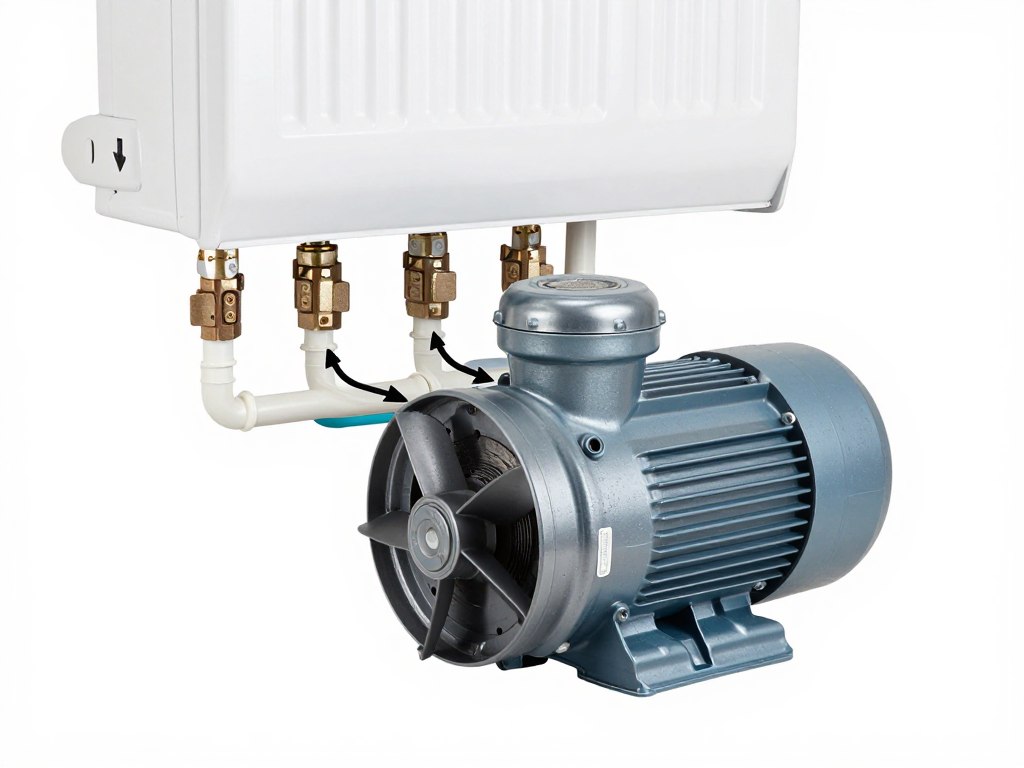
A central heating pump is essentially a motorised impeller that pushes hot water around your heating system. Most UK homes have a wet central heating system where water is heated by your boiler, then circulated through pipes to your radiators or underfloor heating before returning to be reheated. Without a properly functioning pump, this circulation simply wouldn’t happen—leaving you with cold radiators and a warm boiler.
Modern pumps are typically compact units with an electric motor driving an impeller. They’re designed to overcome the resistance in your pipework, pushing water through the entire circuit regardless of how many radiators you have or how far they are from your boiler. Most contemporary models are electronically controlled, automatically adjusting their speed to maintain optimal flow and pressure while using minimal electricity. The most efficient pumps now consume as little as 5-8 watts when running—a dramatic improvement from older models that could use 60-100 watts.
Pumps are rated by their head pressure (measured in metres) and flow rate (measured in cubic metres per hour). These specifications determine whether a particular pump is suitable for your system’s size and configuration. Understanding these basics helps when you’re faced with replacing or upgrading your existing pump.
Central Heating Pump Speed
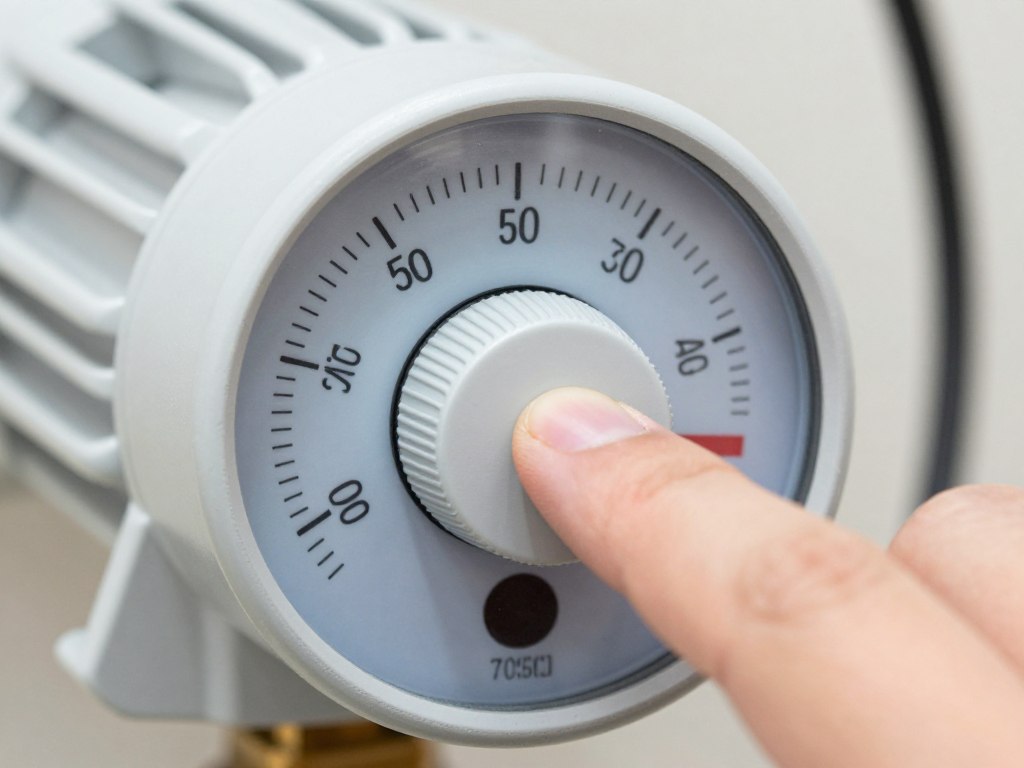
Setting your central heating pump speed is crucial for both comfort and efficiency. Most modern pumps offer multiple speed settings or, in premium models, automatic variable speed control. The optimal setting depends on your specific system—factors like the number of radiators, pipe length, and system resistance all play a role. Running your pump too fast wastes electricity and can cause noise issues like water hammer or whistling pipes. Too slow, and you’ll experience poor circulation, cold spots in radiators, and potentially inadequate heating in rooms furthest from the boiler.
For manual speed selection, start with the pump on its lowest setting during normal operation (not during initial system filling). If all radiators heat up evenly and the return pipe to your boiler is noticeably cooler than the flow pipe, this setting is likely sufficient. If some radiators remain cool, particularly those furthest from the boiler, try increasing to the next speed setting. The goal is to use the lowest speed that provides adequate heating throughout your property. Each step up in speed typically increases electricity consumption by 5-15 watts—a small amount individually but significant over thousands of hours of operation annually.
Modern variable-speed pumps with automatic control eliminate this guesswork by continuously adjusting their output based on demand. These intelligent pumps monitor flow and pressure, ramping up when more radiators are calling for heat and slowing down during periods of lower demand. This dynamic approach typically results in 30-50% energy savings compared to a fixed-speed pump, making the premium price tag of auto-adaptive models worthwhile for most homeowners.
Central Heating Pump Sizing
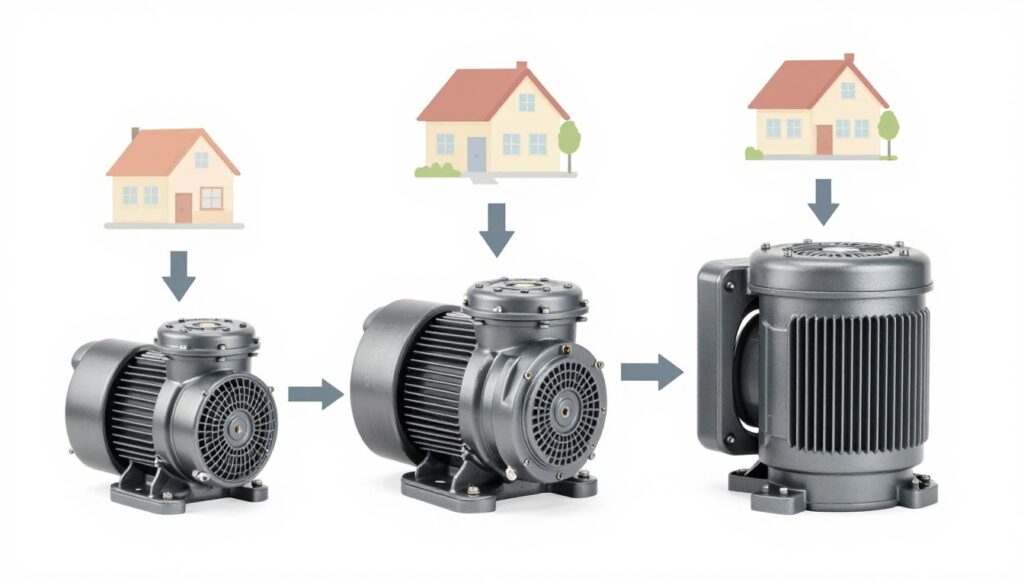
Correctly central heating pump sizing is essential for efficient operation and system longevity. An undersized pump will struggle to circulate water effectively, leading to poor heating performance and potential overheating of the pump motor. Conversely, an oversized pump wastes energy and can cause excessive noise and wear on your pipework. The two key specifications to consider are head pressure (measured in metres) and flow rate (measured in cubic metres per hour or m³/h). Head pressure represents the pump’s ability to overcome resistance in your system, while flow rate indicates the volume of water it can move.
For typical UK domestic properties, a pump with a maximum head of 4-6 metres and flow rate of 2.5-3.5 m³/h is usually sufficient. Larger properties with extensive pipework or numerous radiators may require pumps with head ratings of 6-8 metres. The good news is that most modern variable-speed pumps can adjust their output within a range, making exact sizing less critical than with older fixed-speed models. This adaptability means a quality mid-range pump will perform efficiently in most domestic settings.
If you’re replacing an existing pump that performed well, matching the specifications of your current model is generally a safe approach. When installing a pump in a new system or significantly modified setup, consulting with a heating engineer is advisable to ensure proper sizing. They can calculate the system’s resistance and flow requirements based on the number of radiators, pipe lengths, and other factors specific to your property.
Grundfos Central Heating Pump
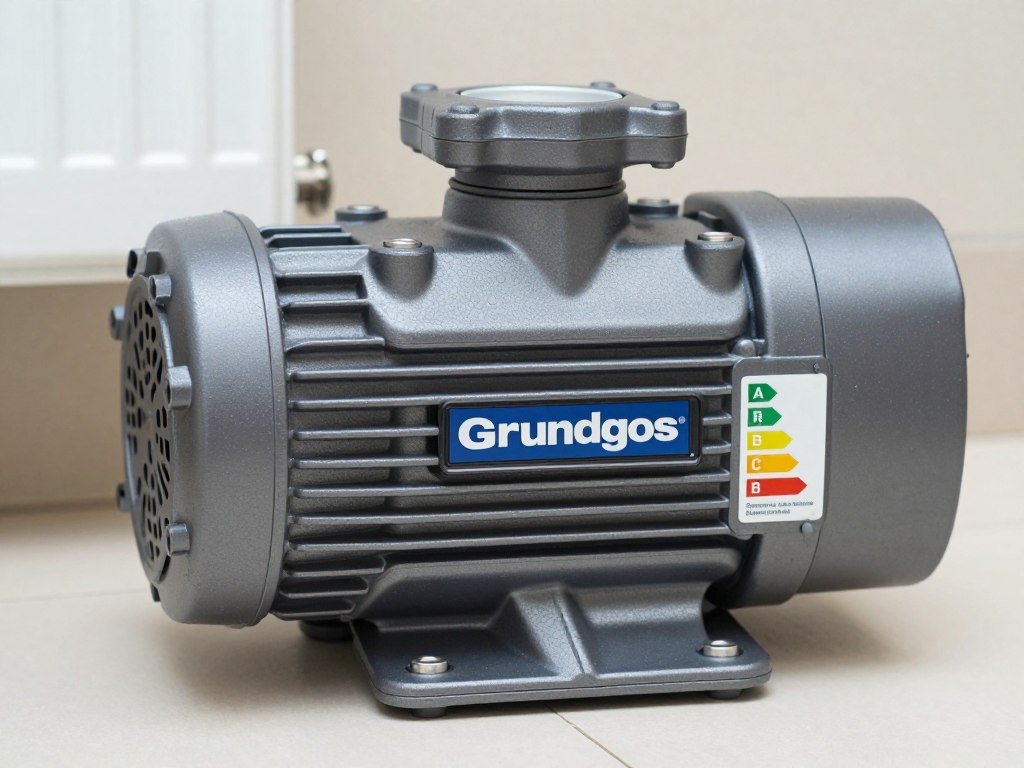
Grundfos has earned its reputation as the gold standard in central heating pumps for good reason. Their Alpha series, particularly the Alpha2, represents some of the most energy-efficient pumps available to UK homeowners. What sets Grundfos apart is their AUTOADAPT technology, which continuously monitors your system and automatically adjusts performance to match your home’s exact heating requirements. This intelligent approach eliminates the guesswork of manual settings while reducing energy consumption by up to 80% compared to older fixed-speed pumps.
The build quality of Grundfos pumps is immediately apparent when you handle one. With ceramic bearings and shafts rather than standard metal components, they’re designed to resist the corrosion and limescale buildup that plague many UK heating systems. This translates to exceptional longevity—I’ve seen Grundfos pumps still running perfectly after 15+ years in challenging conditions. While you’ll pay a premium (typically £120-£180 at retailers like Screwfix), the combination of energy savings and reliability makes them a sound investment for most properties.
Installation is straightforward for a qualified engineer, with standard 130mm or 180mm fittings that make them compatible with most existing systems. The clear digital display on higher-end models provides useful feedback on performance and energy consumption, helping you verify that your system is running efficiently.
Best Central Heating Pump
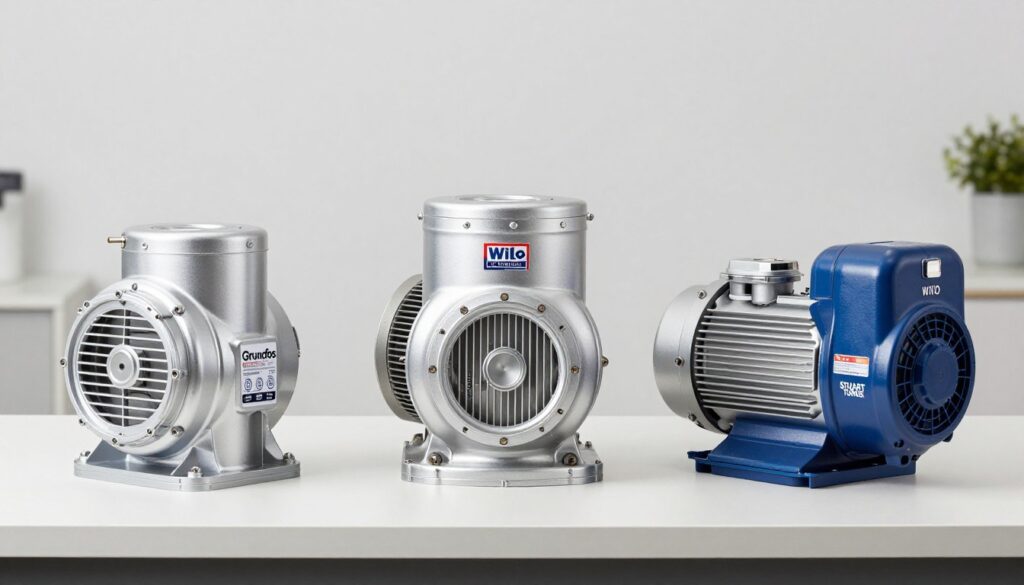
While Grundfos dominates the premium market, several manufacturers offer excellent central heating pumps worth considering. Wilo’s Stratos PICO series provides comparable energy efficiency to Grundfos with their high-efficiency ECM technology, often at a slightly lower price point (typically £100-£150 at merchants like Toolstation). Stuart Turner’s Mainsboost and Monsoon ranges offer robust performance for systems with challenging configurations or lower water pressure, though they tend to consume slightly more energy than the top-tier models from Grundfos and Wilo.
For smaller properties or budget-conscious homeowners, DAB’s Evosta models offer a good balance of performance and value. While they lack some of the advanced features of premium pumps, they still provide reliable circulation and reasonable energy efficiency at a more accessible price point (usually £70-£100). I’ve installed dozens in smaller properties with excellent results. The key is matching the pump to your specific system requirements rather than simply buying the most expensive option available.
When selecting the best pump for your home, prioritise models with at least an ‘A’ energy rating, variable speed control, and a manufacturer’s warranty of 2+ years. These features typically indicate a quality product that will perform efficiently and reliably over time. The right pump for your system will depend on factors like property size, number of radiators, and pipework configuration.
Central Heating Pump Replacement Cost
| Cost Element | Budget Option | Mid-Range Option | Premium Option |
| Pump Unit | £60-£90 | £100-£150 | £150-£200 |
| Labour (standard installation) | £80-£120 | £100-£150 | £120-£180 |
| Additional Materials | £10-£20 | £20-£40 | £30-£50 |
| Total Typical Cost | £150-£230 | £220-£340 | £300-£430 |
central heating pump replacement cost is typically between £150 and £430 for UK homeowners, depending on the pump quality and installation complexity. This breaks down into the cost of the pump itself (£60-£200) and labour charges (£80-£180). Budget options like basic DAB or unbranded pumps start around £60, while premium models from Grundfos or Wilo with advanced energy-saving features can cost £150-£200. Most homeowners opt for mid-range pumps around £100-£150, offering a good balance of quality and value.
Labour costs vary based on your location and the complexity of the installation. A straightforward like-for-like replacement might take 1-2 hours, while installations requiring system modifications or in difficult-to-access locations can take 3+ hours. London and Southeast England typically command higher rates than other regions. Some installations may require additional materials like valves, fittings, or inhibitor treatment, adding £10-£50 to the total cost.
While it’s tempting to choose the cheapest option, consider the long-term economics. Premium pumps with ‘A’ energy ratings can save £50-£70 annually in electricity compared to older models, potentially paying for themselves within 2-3 years. Many manufacturers offer extended warranties on higher-end models, providing additional peace of mind for the investment.
Replacing Central Heating Pump
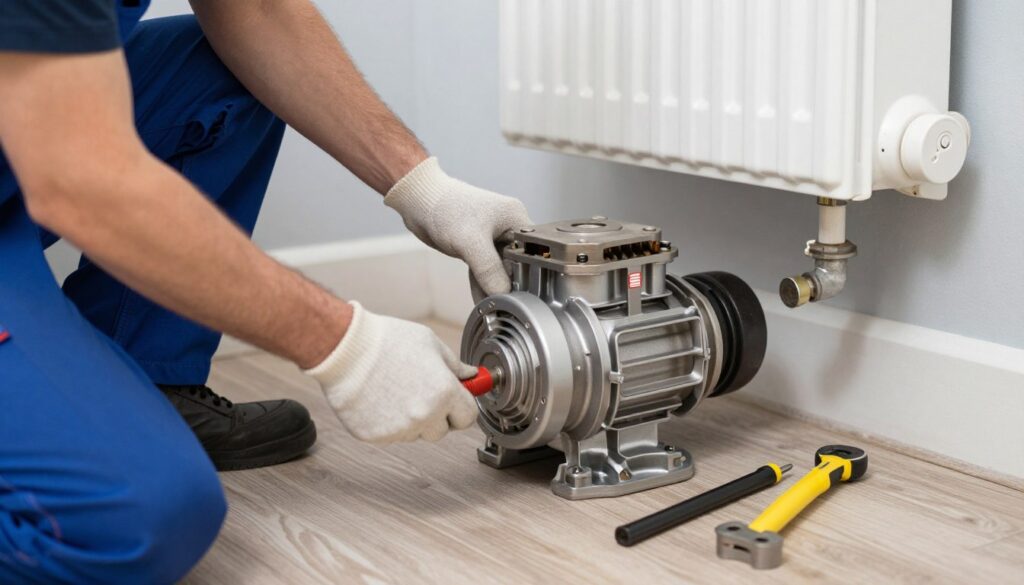
Replacing a central heating pump is a job that requires specific knowledge and tools, making it best suited for qualified heating engineers. The process involves isolating and draining the system, disconnecting the electrical supply, removing the old pump, and installing the new one with appropriate fittings. A professional will also ensure the system is properly vented of air and balanced after installation—steps that are crucial for optimal performance but often challenging for DIYers to execute correctly.
Before arranging a replacement, it’s worth checking whether your existing pump can be repaired. Sometimes issues like airlocks or seized shafts can be resolved without full replacement. If replacement is necessary, take measurements of your current pump’s installation dimensions (typically 130mm or 180mm between connections) and note the direction of flow. This information helps ensure the new pump will fit correctly. Most modern pumps are designed as direct replacements for common models, but confirming compatibility beforehand saves time and frustration.
When your engineer installs the new pump, ask them to check your system for sludge and consider whether a system flush might be beneficial. Sludge buildup is a common cause of pump failure, and installing a new pump without addressing underlying system issues may lead to premature failure of the replacement. A magnetic filter installation at the same time can help protect your new pump and extend its service life considerably.
How to Bleed a Central Heating Pump
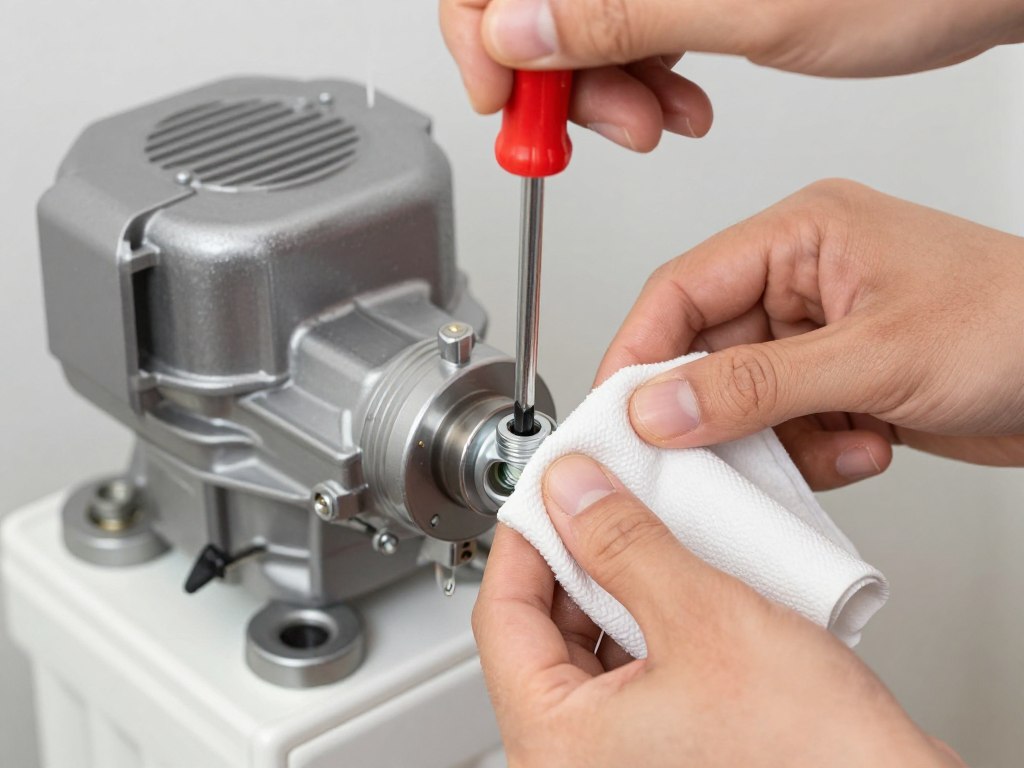
Air trapped in your central heating pump can cause a range of problems, from inefficient operation to unusual noises and even complete pump failure. Bleeding the pump removes this trapped air, restoring proper function. Unlike bleeding radiators, pump bleeding requires more caution as it involves working with both water and electrical components. The process typically involves locating the bleed screw (usually a brass or silver screw on the pump body), placing a container or cloth beneath to catch water, and carefully loosening the screw until water flows steadily without air bubbles.
Before attempting to bleed your pump, always switch off the electrical supply at the consumer unit. Some pumps have a dedicated isolation switch nearby, but disconnecting power at the fuse box provides the safest working condition. Once the power is off, allow the pump to cool if it’s been running recently. Hot water can cause serious burns, particularly in high-efficiency systems that operate at elevated temperatures. When loosening the bleed screw, do so gradually—just a quarter to half turn is usually sufficient to release air without causing a major water leak.
If bleeding doesn’t resolve pump issues, or if you’re uncomfortable performing the procedure yourself, contact a qualified heating engineer. They can not only bleed the pump safely but also diagnose whether air in the system indicates a larger problem that needs addressing. Persistent air in your system often points to issues like a leak, faulty automatic air vent, or expansion vessel problems that require professional attention.
Central Heating Pump Not Working
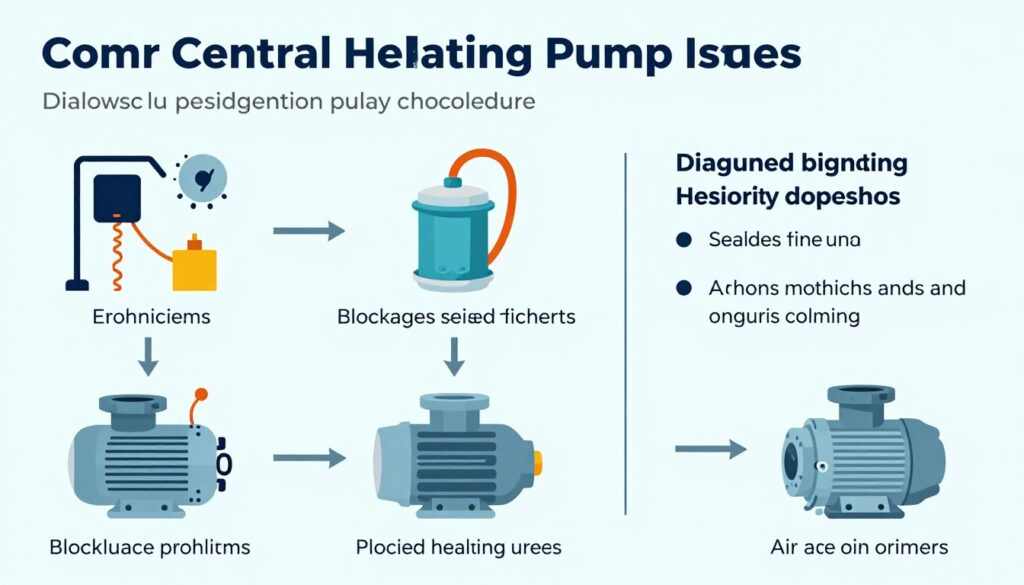
When your central heating pump stops working, systematic troubleshooting can help identify the cause. Start with the basics: check that the pump is receiving power by verifying that the relevant circuit breaker hasn’t tripped and that any isolation switches are in the ‘on’ position. Many modern pumps have indicator lights that show when they’re powered up. If the pump has power but isn’t running, listen carefully—a humming sound without movement often indicates a seized motor or impeller. Complete silence might suggest an electrical fault within the pump itself.
Physical blockages are another common cause of pump failure. Over time, sludge, limescale, and corrosion debris can accumulate in your heating system, eventually restricting the pump’s impeller. In some cases, you can free a stuck impeller by removing the bleed screw and carefully inserting a flat-head screwdriver to rotate the shaft manually. However, this is a temporary fix at best—if sludge is the culprit, a professional power flush of your system will be necessary to prevent recurrence.
Electrical failures within the pump, particularly in the capacitor or winding, typically require replacement of the entire unit. While component-level repair is theoretically possible, the labour costs usually exceed the price of a new pump. If your pump is more than 7-10 years old, replacement with a modern energy-efficient model is generally the most cost-effective solution, offering improved reliability and significant energy savings compared to older technology.
Noisy Central Heating Pump
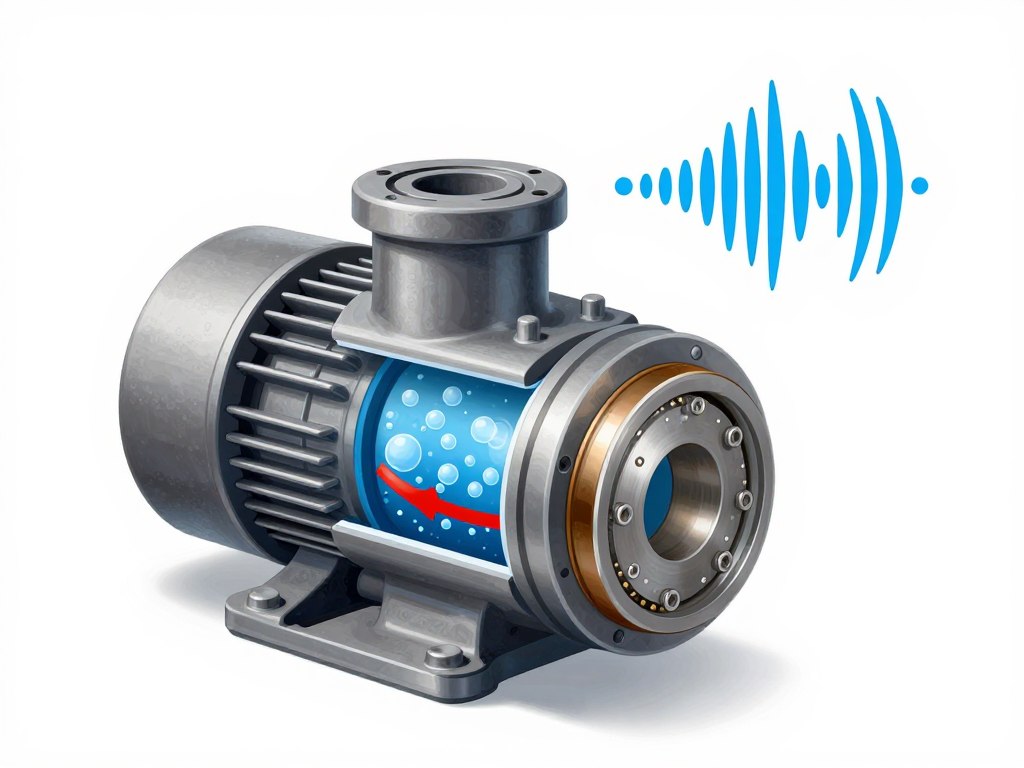
A noisy central heating pump can disrupt your home’s peace and indicate underlying issues that may lead to more serious problems if left unaddressed. Different noises point to different causes—a grinding sound typically suggests bearing wear, while rattling might indicate loose mounting or debris in the impeller. Humming or buzzing that’s louder than normal often points to electrical problems or the pump struggling against high system resistance. Air in the system commonly causes a distinctive gurgling or bubbling sound that’s particularly noticeable when the system first starts up.
For vibration and rattling noises, check that the pump is securely mounted and that connecting pipework is properly supported. Sometimes simply tightening mounting brackets or adding pipe clips nearby can dramatically reduce noise transmission through your home’s structure. If the noise is more internal to the pump, air locks are the most common and easily addressed cause. Bleeding the pump as described earlier can often resolve these issues quickly. For grinding noises that suggest bearing wear, unfortunately, replacement is usually the only effective solution.
If your pump runs loudly at higher speeds but operates quietly at lower settings, consider whether you can achieve adequate heating using a lower speed. Many systems are over-pumped, with the pump working harder than necessary. Not only will reducing the speed make your system quieter, but it will also save electricity and potentially extend the pump’s lifespan. Modern variable-speed pumps are specifically designed to operate at the minimum necessary speed, significantly reducing noise issues compared to older fixed-speed models.
Need Expert Help With Your Central Heating Pump?
If your troubleshooting hasn’t resolved the issue, our qualified heating engineers can diagnose and fix your pump problems quickly and efficiently.
Our experienced heating engineers can help with everything from pump replacements to full system assessments.
Or call us directly: 020 8058 4241
Frequently Asked Questions
How long should a central heating pump last?
A quality central heating pump typically lasts 8-12 years with proper maintenance. Premium models from manufacturers like Grundfos or Wilo often reach the upper end of this range or beyond. Factors affecting lifespan include water quality, system cleanliness, and running conditions.
Can I replace a central heating pump myself?
While technically possible, replacing a central heating pump involves working with both plumbing and electrical systems. For safety and reliability, I recommend using a qualified heating engineer. DIY replacement risks system damage, electrical hazards, and invalidating boiler warranties.
How much electricity does a central heating pump use?
Modern A-rated pumps typically consume 25-40 kWh annually, costing £7-£14 per year to run. Older models can use 3-5 times more electricity. Variable-speed pumps are particularly efficient, automatically adjusting power consumption based on heating demand.
Should my central heating pump run constantly?
In most modern systems, the pump should only run when heating is called for. Constant operation usually indicates a wiring issue, stuck relay, or incorrect boiler settings. Some systems with weather compensation or specific control strategies may run the pump continuously by design.
Why does my central heating pump get hot?
Central heating pumps naturally operate warm to the touch (40-50°C). However, if too hot to touch briefly (60°C+), this suggests problems like running dry, bearing failure, or operating against a closed valve. Excessive heat accelerates wear and can lead to premature failure.
Conclusion
Your central heating pump plays a crucial role in keeping your home warm and comfortable. Understanding how it works, recognizing common issues, and knowing when to call a professional can save you time, money, and the discomfort of unexpected heating failures. Modern pumps offer impressive energy efficiency and reliability compared to older models, making an upgrade worthwhile if your current pump is aging or problematic.
Regular system maintenance, including keeping your heating system clean and properly balanced, will extend your pump’s lifespan and maintain optimal performance. If you’re experiencing persistent issues or your pump is showing signs of wear after many years of service, consulting with a qualified heating engineer is the best approach to ensure your heating system continues to serve you well through the cold winter months.