

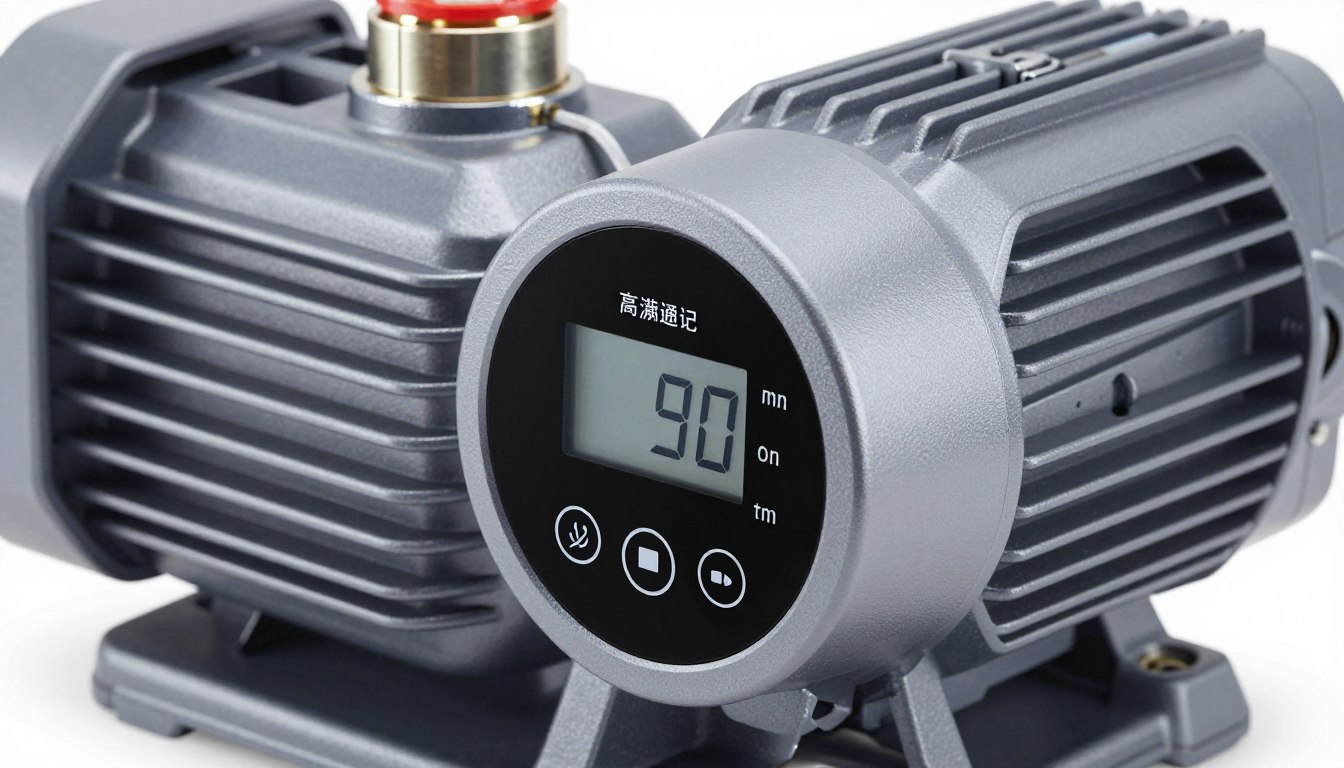
| Topic | Key Points |
| What Pump Speed Means | Controls water flow rate through heating system. Higher speeds distribute heat better but use more energy. Lower speeds are quieter but may cause cold spots. |
| Optimal Speed Setting | Most homes work well on setting II (medium). Test by feeling radiators and adjust accordingly. The goal is the lowest setting that still heats all radiators properly. |
| Variable Speed Pumps | Modern pumps adjust automatically based on heating demand. More energy-efficient and provide consistent comfort. Worth considering as an upgrade. |
| Common Problems | Too fast: noisy operation, high electricity use. Too slow: cold radiators, boiler overheating. Finding the right balance is key. |
Why Central Heating Pump Speed Matters
Your central heating pump is the heart of your heating system. It circulates hot water from your boiler through pipes to radiators throughout your home, then returns the cooled water back to the boiler to be reheated.
The speed at which this water circulates has a significant impact on your home’s comfort and your energy bills. Set it too fast, and you’ll waste electricity while creating unnecessary noise. Set it too slow, and you’ll have cold spots in radiators or an overheating boiler.
Every home is different – with varying numbers of radiators, different pipe lengths, and unique layouts. That’s why central heating pumps come with adjustable speed settings, allowing you to find the perfect balance for your specific system.
What Central Heating Pump Speed Actually Means
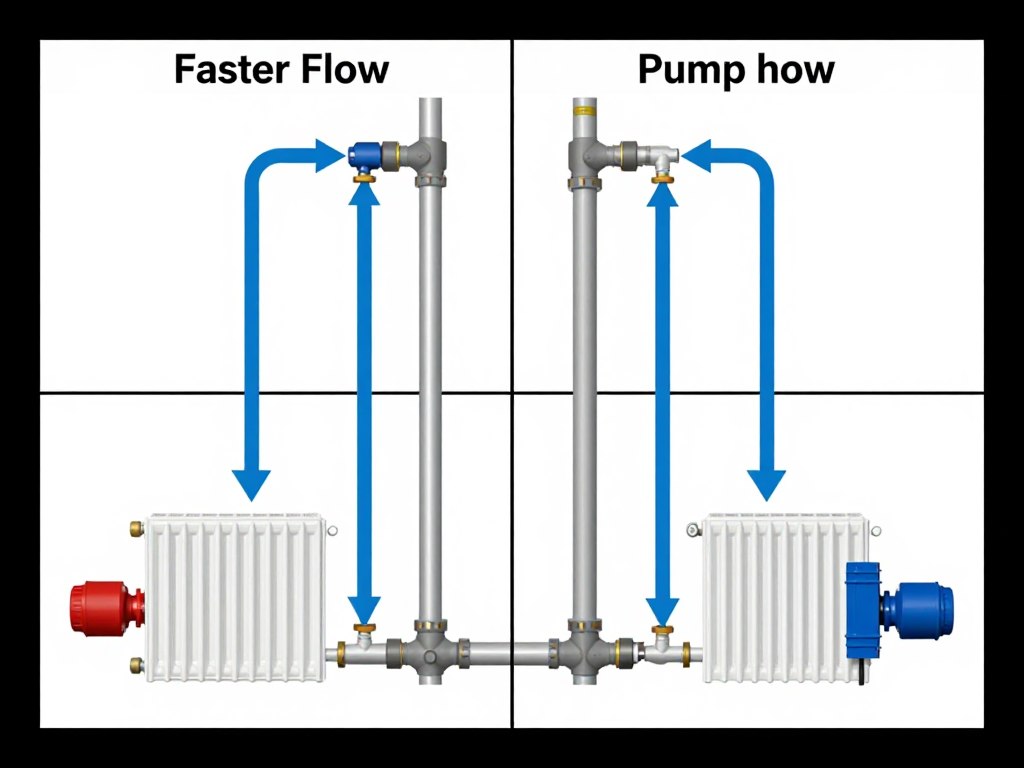
When you adjust your central heating pump speed, you’re controlling how quickly water circulates through your heating system. Most pumps feature three settings (I, II, and III) or a variable speed control.
Higher speed settings (II or III) push water through your system more forcefully. This helps distribute heat more evenly throughout your home, which is especially helpful for larger properties with many radiators or complex pipework.
Lower speed settings (I) move water more gently through your system. This uses less electricity and creates less noise, making it ideal for smaller properties or well-designed systems with minimal resistance.
Higher Speed Benefits
- Better heat distribution throughout the home
- Quicker warming of radiators
- More effective for larger systems with many radiators
- Can overcome restrictions in pipework
Higher Speed Drawbacks
- Increased electricity consumption (10-15% of your bill)
- Noisier operation
- Water may return to boiler too warm
- Faster wear and tear on the pump
The key is finding the lowest speed setting that still effectively heats all your radiators. This balance gives you optimal comfort while minimizing energy use and system wear.
How to Set Your Central Heating Pump Speed Correctly
Locating Your Pump
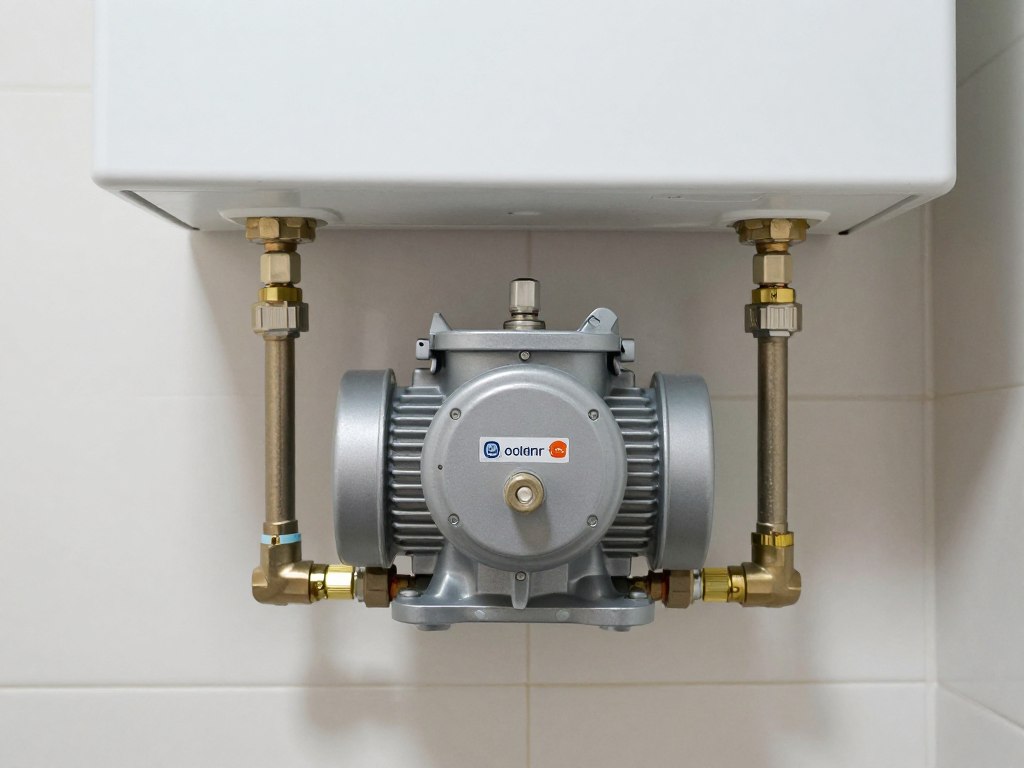
Your central heating pump is typically located near your boiler or hot water cylinder. It’s a small, cylindrical device connected to the pipework of your heating system. Look for a component with a small control panel or dial on the front.
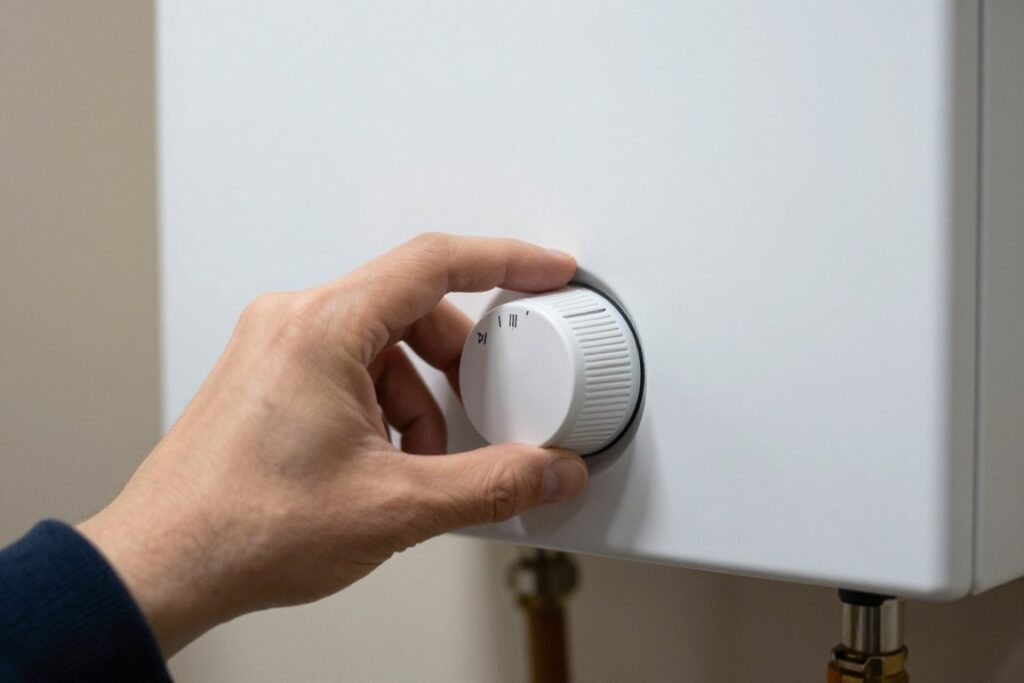
Identifying the Speed Selector
Most pumps have a visible control for adjusting the speed. This might be:
- A rotary dial with numbers I, II, and III
- A button with indicator lights showing the current speed
- A digital display with up/down controls (on newer models)
Step-by-Step Optimization Method
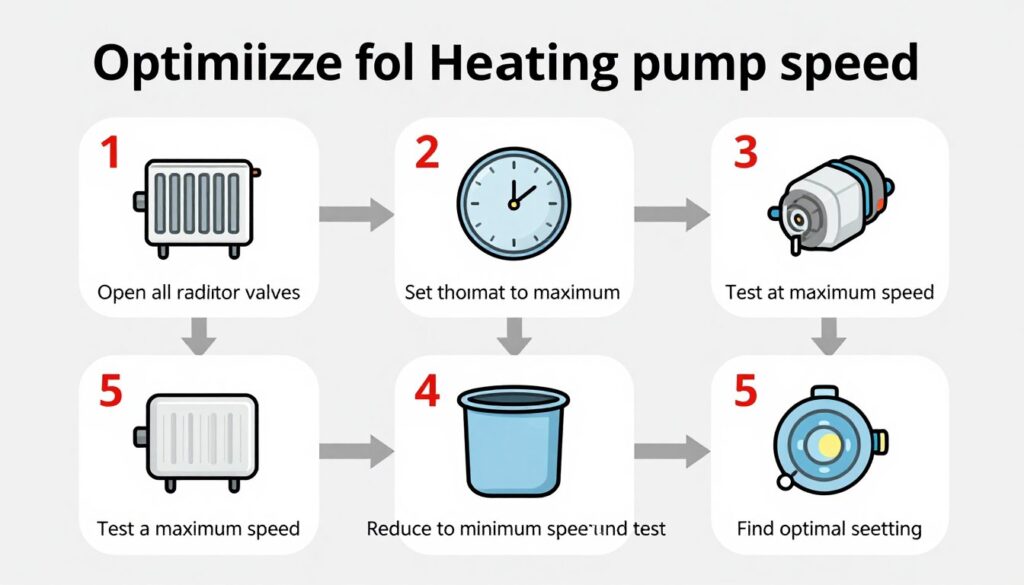
This practical method will help you find the optimal speed setting for your central heating pump:
- Open all radiator valves fully to ensure maximum water flow
- Set your thermostat to maximum to test the system at full heat
- Set the pump to speed III (maximum) and wait 10 minutes for radiators to heat up
- Feel all radiators to confirm they’re heating properly, especially those furthest from the boiler
- Turn the pump down to speed I (minimum) and wait 20 minutes
- Check all radiators again – are they still hot throughout? No cold spots at the top?
- If radiators are still hot, leave the pump at speed I
- If radiators have cooled or have cold spots, increase to speed II and wait another 20 minutes
- If radiators still aren’t heating properly at speed II, return to speed III
What speed should my pump be set to? For most average UK homes with 8-12 radiators, speed setting II (medium) provides the best balance of performance and efficiency. However, your specific home may vary based on size, layout, and heating system design.
The Radiator Test
A quick way to check if your pump speed is correct is the “radiator test.” Feel the radiators furthest from your boiler. They should be:
- Warm throughout (no cold spots at the top)
- Heating up within a reasonable time (10-15 minutes)
- Cooling gradually when the heating is turned off
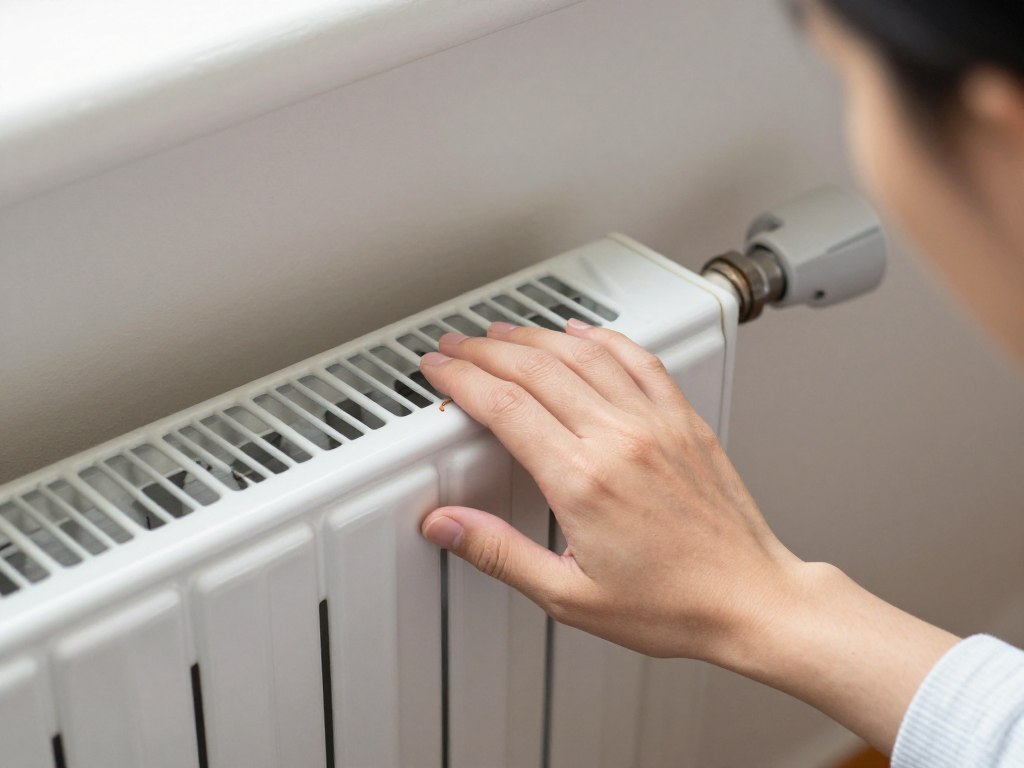
Warning: Setting your pump speed too low can cause your boiler to overheat and cut out. If you notice your boiler frequently switching off during heating cycles, try increasing your pump speed.
Variable Speed Pumps Explained
Modern central heating systems often feature variable speed pumps that automatically adjust their operation based on your heating demand. Unlike traditional fixed-speed pumps with manual settings, these smart pumps continuously optimize their performance.
How Variable Speed Pumps Work
Variable speed pumps contain sophisticated electronics that monitor the heating system’s requirements. When demand is high (such as when first heating a cold house), the pump runs faster. As the house warms up and less circulation is needed, the pump automatically slows down.
This intelligent operation provides several key benefits:
Energy Efficiency
Variable speed pumps can reduce electricity consumption by up to 80% compared to traditional fixed-speed pumps. They only use the energy needed at any given moment.
Quieter Operation
By running at lower speeds when possible, these pumps generate significantly less noise, especially during night-time operation or when minimal heating is required.
Extended Lifespan
The ability to run at lower speeds reduces wear and tear on components, potentially extending the pump’s operational life.
Consistent Comfort
Automatic adjustments maintain optimal water flow, eliminating cold spots and temperature fluctuations throughout your home.
Reduced System Noise
Lower speeds mean less water velocity in pipes, reducing the likelihood of water hammer and flow noise in your heating system.
Smart Home Integration
Many newer models can integrate with smart heating controls for even greater efficiency and convenience.
Identifying If You Have a Variable Speed Pump
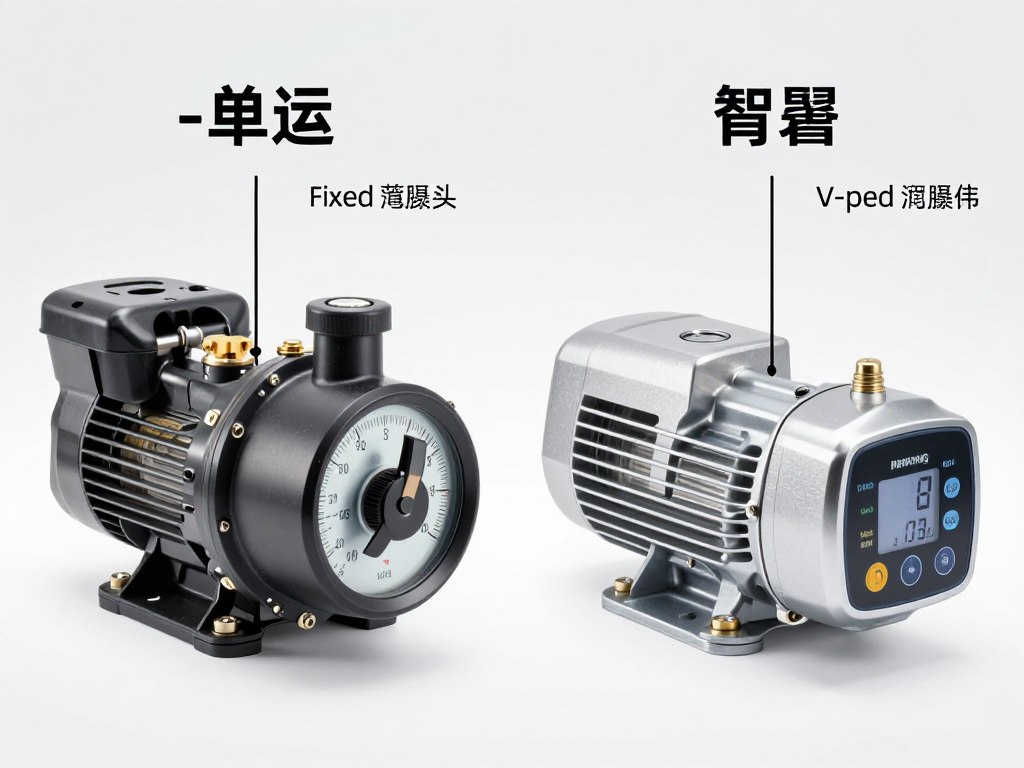
You likely have a variable speed pump if:
- Your pump lacks a manual selector switch with I, II, III settings
- It has a digital display or LED indicators
- It’s labeled as “electronic,” “ECO,” “variable,” or “auto-adapt”
- It was installed within the last 5-7 years
Popular brands of variable speed pumps include Grundfos Alpha, Wilo Stratos, and DAB Evosta. These pumps typically require no manual speed adjustment, as they self-regulate based on system demand.
Common Problems Related to Pump Speed Settings
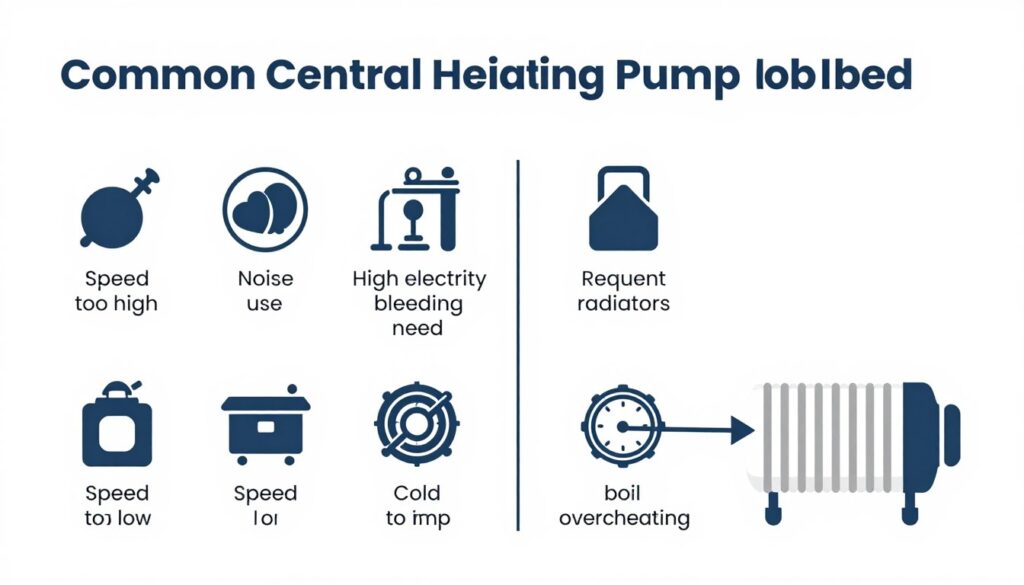
Why are my radiators making noise?
Noisy radiators often indicate that your pump speed is set too high. The fast-moving water creates turbulence in the system, causing knocking or gurgling sounds. Try reducing the pump speed by one setting.
Why do I need to bleed my radiators frequently?
If you’re constantly bleeding radiators, your pump speed might be too high. Excessive speed can cause air to be drawn into the system at weak points. Reducing the speed often resolves this issue.
Why isn’t my heating system warming up properly?
If radiators (especially those furthest from the boiler) aren’t getting warm, your pump speed may be too low. Try increasing the speed setting to improve water circulation throughout the system.
Why does my boiler keep cutting out?
A boiler that frequently cuts out may be overheating due to insufficient water flow. This often happens when the pump speed is set too low. Increasing the pump speed can help maintain proper water circulation and prevent overheating.
Pump Speed and Energy Efficiency
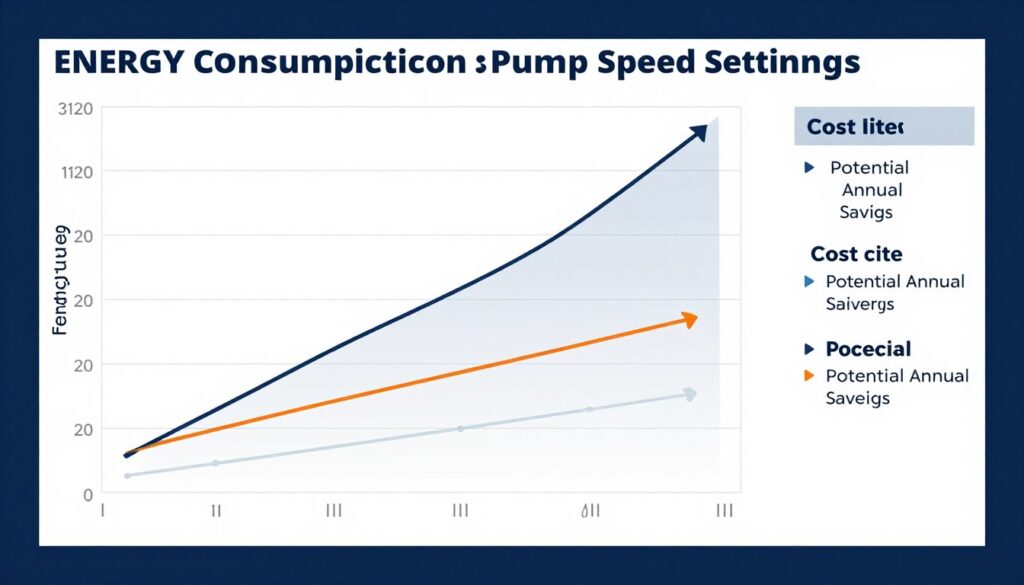
Your central heating pump can account for 10-15% of your home’s electricity consumption. Finding the optimal speed setting can significantly impact your energy bills.
A pump running at speed III (maximum) can use up to twice as much electricity as the same pump running at speed I (minimum). For a typical UK home, this difference could amount to £30-£50 in annual savings.
The most energy-efficient approach is to use the lowest pump speed that still effectively heats all radiators in your home. This minimizes electricity use while maintaining comfort.
Final Thoughts on Optimising Your Central Heating Pump Speed
Finding the optimal speed for your central heating pump is about balance – between comfort and efficiency, between adequate heating and minimal energy use.
For most UK homes, starting with speed setting II (medium) and then testing whether you can reduce to speed I without compromising comfort is the best approach. Remember that the goal is to find the lowest setting that still heats all radiators effectively.
If you’re experiencing persistent issues with your heating system, or if your home has an unusual layout or many radiators, consider upgrading to a modern variable speed pump. These smart pumps take the guesswork out of finding the right setting and can significantly reduce your energy consumption.
By taking the time to optimize your central heating pump speed, you’ll enjoy a more comfortable home, lower energy bills, and a heating system that operates efficiently for years to come.
Need Help With Your Central Heating?
Still unsure about your pump settings or experiencing heating issues? Our heating experts can provide personalized advice for your specific system.
Leave A Comment