

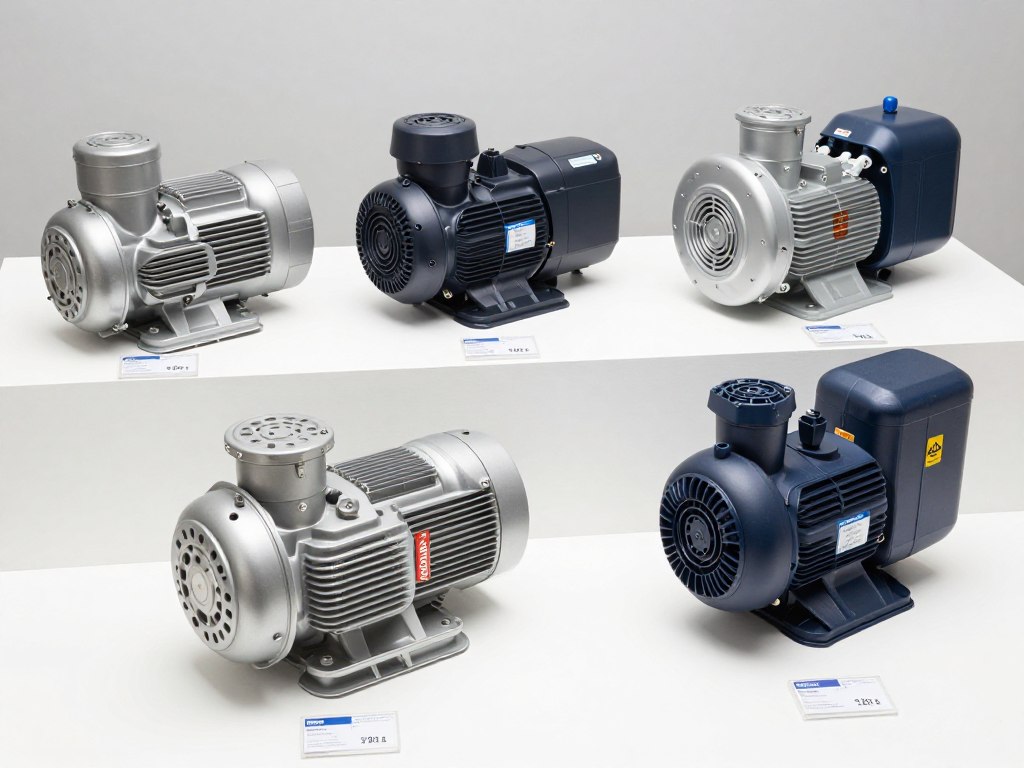
We’re here to walk you through the essentials of Central Heating Pump Replacement Cost, giving you a clear understanding of pricing, factors that influence the final bill, and what to expect during the process. Our goal is to make home maintenance feel less like a guessing game and more like a well-understood investment, with transparent insights and practical guidance you can rely on.
| Aspect | Details |
| Average Cost Range | £150-£350 (including parts and labour) |
| Pump Cost Only | £90-£200 depending on brand and model |
| Labour Cost | £60-£180 depending on location and complexity |
| Installation Time | 30-120 minutes for standard installations |
| Main Price Factors | Pump type, location in UK, system complexity, emergency callout |
| Repair vs Replace | Repair if under 5 years old (£80-£150); replace if older or severely damaged |
| Top Brands | Grundfos, Lowara, Stuart Turner, Wilo |
What Is a Central Heating Pump?
A central heating pump (also called a circulator pump) is an electrically-powered device that moves hot water from your boiler through pipes to your radiators and back again. Without a functioning pump, your heating system cannot distribute warmth effectively throughout your home.
In most UK homes, the pump is located either within the boiler itself (in combi boilers) or externally near the hot water cylinder (in system or conventional boilers). The pump typically runs whenever your heating is active, working silently in the background to maintain comfortable temperatures.
Signs Your Central Heating Pump Needs Replacement
- Unusual noises (humming, grinding or vibrating)
- Radiators heating unevenly or not at all
- Pump leaking water
- No hot water circulation despite boiler functioning
- Pump fails to start when heating is activated
- Pump running constantly and won’t switch off
- Higher than normal energy bills
- Pump is hot to touch or overheating
- Visible corrosion or damage
- Pump is over 10-15 years old
Central Heating Pump Replacement Cost Breakdown
The total cost of replacing a central heating pump in the UK typically ranges from £150 to £350. This price includes both the pump itself and the labour required for installation. Let’s break down these costs in more detail:
How Much Does a Pump Cost to Replace?
The standalone cost of a new central heating pump typically ranges from £90 to £200, depending on the brand, model, and specifications. Premium brands like Grundfos tend to be at the higher end of this range, while budget options may cost less but potentially offer shorter lifespans.
Labour costs for installation generally fall between £60 and £180, varying based on your location in the UK, the complexity of your heating system, and whether emergency service is required. A standard installation typically takes between 30 minutes and 2 hours for a qualified heating engineer.
| UK Region | Average Labour Rate (per hour) | Typical Total Installation Cost |
| London | £70-£90 | £250-£350 |
| South East | £60-£80 | £220-£320 |
| Midlands | £50-£70 | £190-£290 |
| North England | £40-£60 | £170-£270 |
| Scotland | £45-£65 | £180-£280 |
| Wales | £45-£65 | £180-£280 |
Factors Affecting Central Heating Pump Replacement Cost
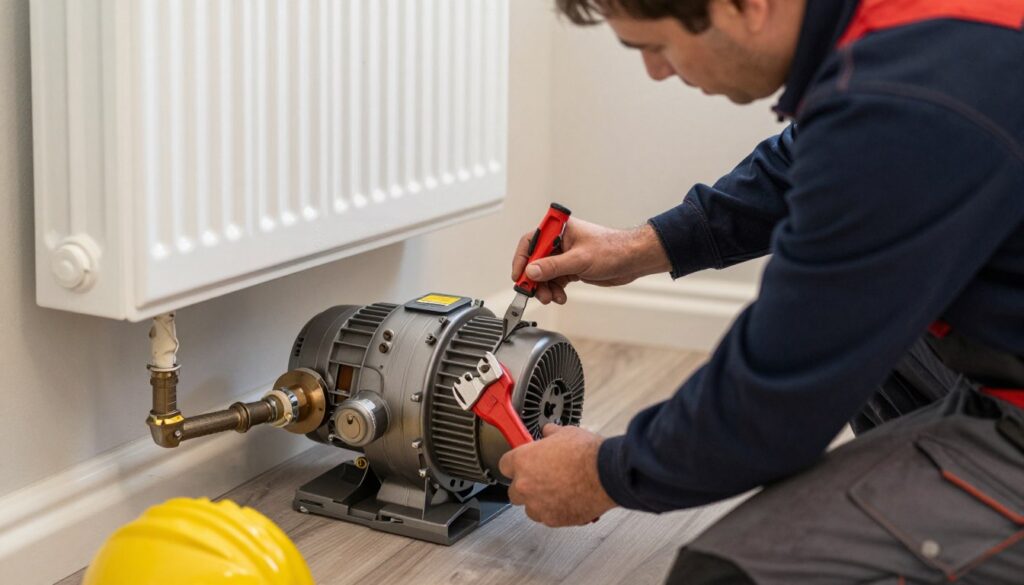
Several key factors can significantly impact the final cost of your central heating pump replacement:
1. Pump Type and Quality
Modern central heating pumps come in various types, each with different efficiency ratings and features:
| Pump Type | Price Range | Features |
| Standard Fixed Speed | £90-£120 | Basic functionality, 3 manual speed settings |
| Energy Efficient Variable Speed | £120-£180 | Auto-adjusting speeds, lower energy consumption |
| Smart/Connected Pumps | £150-£200+ | System monitoring, smartphone integration |
2. System Complexity
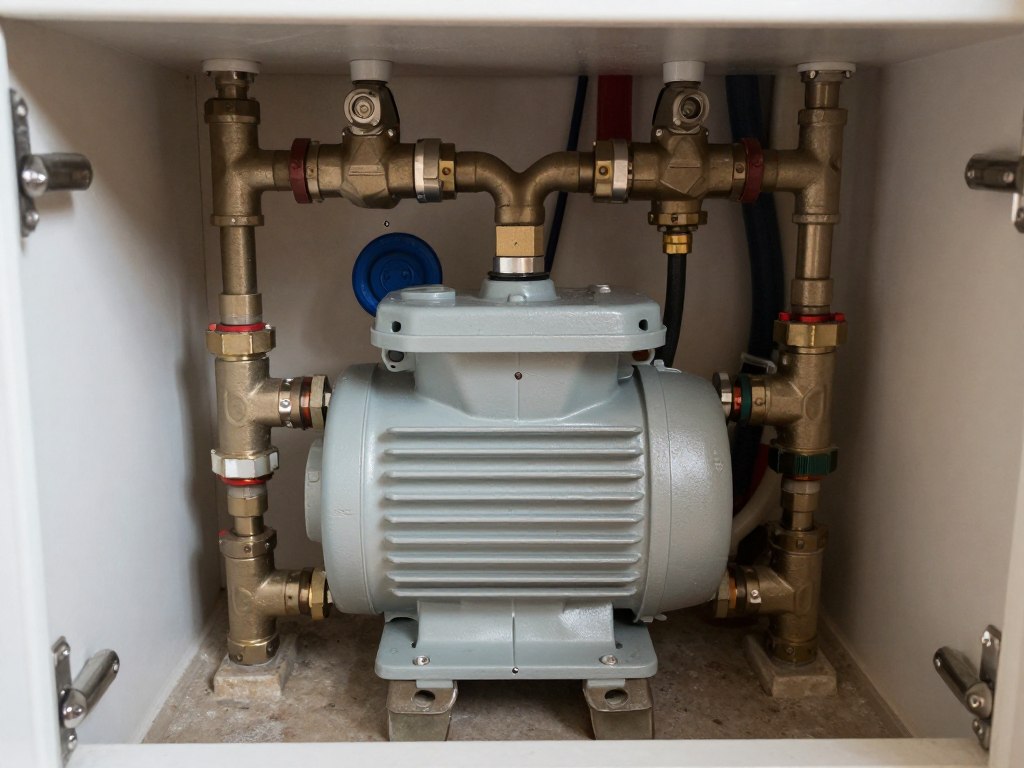
The complexity of your heating system can significantly affect labour costs:
- Lack of isolation valves – If your system doesn’t have isolation valves, the engineer will need to drain the entire system, adding 1-2 hours of labour.
- Difficult access – Pumps located in cramped airing cupboards or under floorboards require more time and effort to replace.
- System flushing – If your system contains sludge or debris, it may need flushing before installing a new pump (additional £150-£300).
- Pipe modifications – Older systems might need pipe adjustments to fit modern pumps, adding to labour time and material costs.
3. Emergency vs. Scheduled Replacement
Emergency callouts typically incur premium rates:
Standard Scheduled Service
- Normal hourly rates
- Flexible appointment times
- No emergency surcharges
- Time to research best pump options
Emergency Callout
- 50-100% higher hourly rates
- Additional callout fees (£50-£100)
- Weekend/evening surcharges
- Limited pump selection (what’s available)
4. Additional Work Required
Sometimes replacing a pump reveals other issues that need addressing:
- Replacing worn valves or fittings (£20-£50 per valve plus labour)
- Upgrading outdated pipework (£10-£30 per meter plus labour)
- System balancing after installation (£50-£100)
- Adding missing isolation valves (£30-£60 per valve plus labour)
Repair vs. Replace: Making the Right Decision
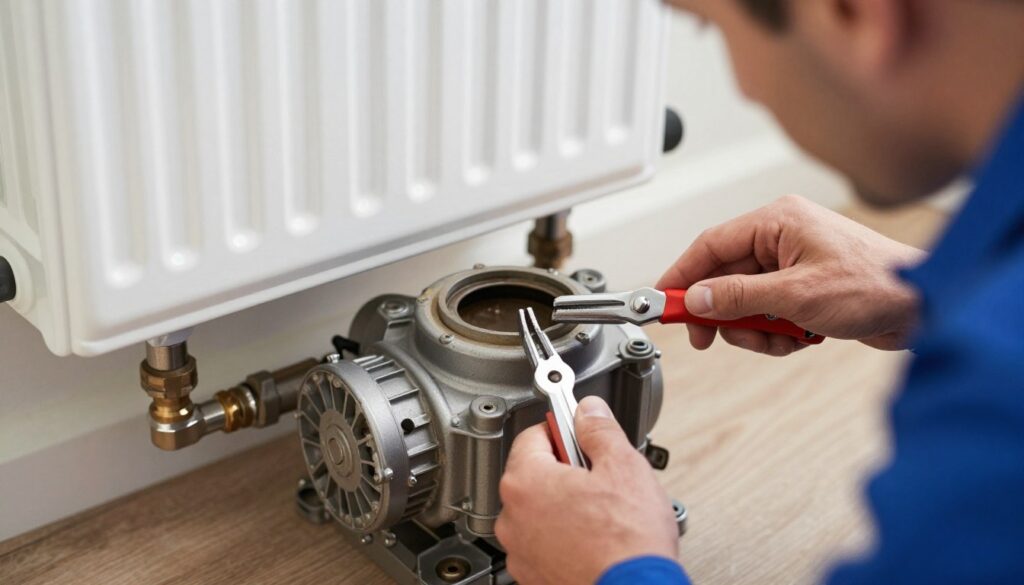
When faced with pump problems, you’ll need to decide whether repair or replacement is more economical:
When Repair Makes Sense
- Pump is less than 5 years old
- Problem is minor (e.g., stuck impeller)
- Repair cost is less than 50% of replacement
- Pump is a premium model worth preserving
- Repair cost: typically £80-£150
When Replacement Makes Sense
- Pump is over 8-10 years old
- Multiple components have failed
- Repair costs exceed 50% of replacement
- Current pump is inefficient (high energy bills)
- Replacement cost: typically £150-£350
Energy Efficiency Considerations
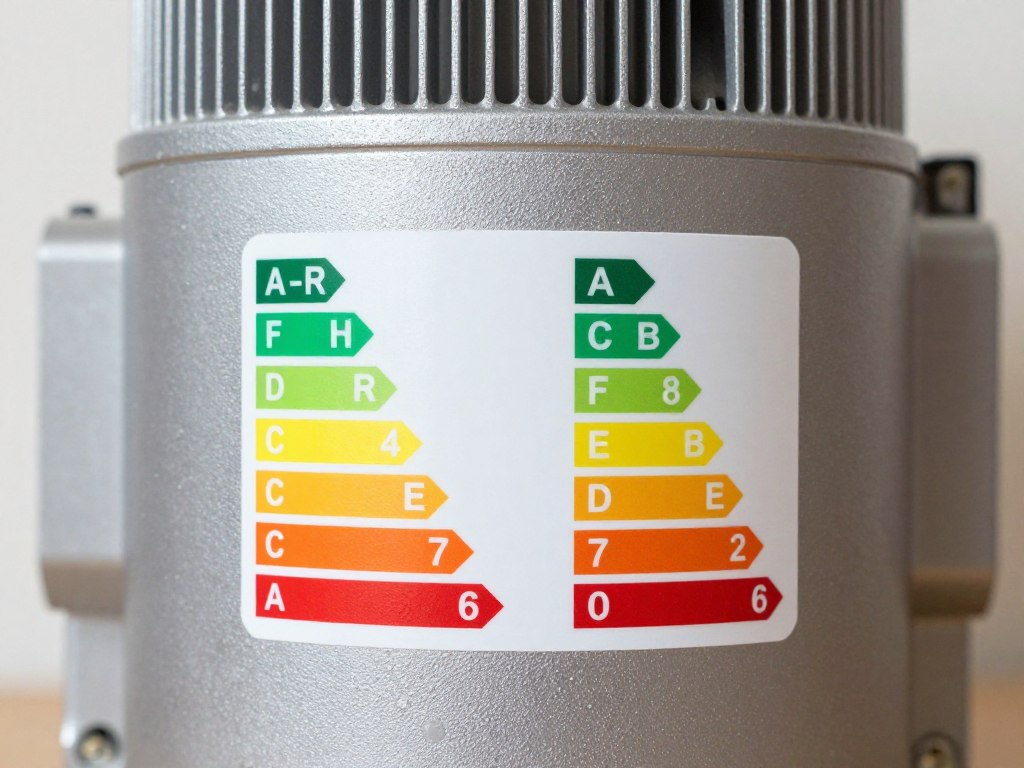
Modern pumps are significantly more energy-efficient than older models. A new A-rated pump can save approximately £50-£70 per year in electricity costs compared to an older D-rated pump. This means a premium energy-efficient pump could pay for itself within 3-4 years through reduced energy bills.
Recommended Central Heating Pumps
Based on reliability, efficiency, and value for money, these are some of the most highly-rated central heating pumps available in the UK market:
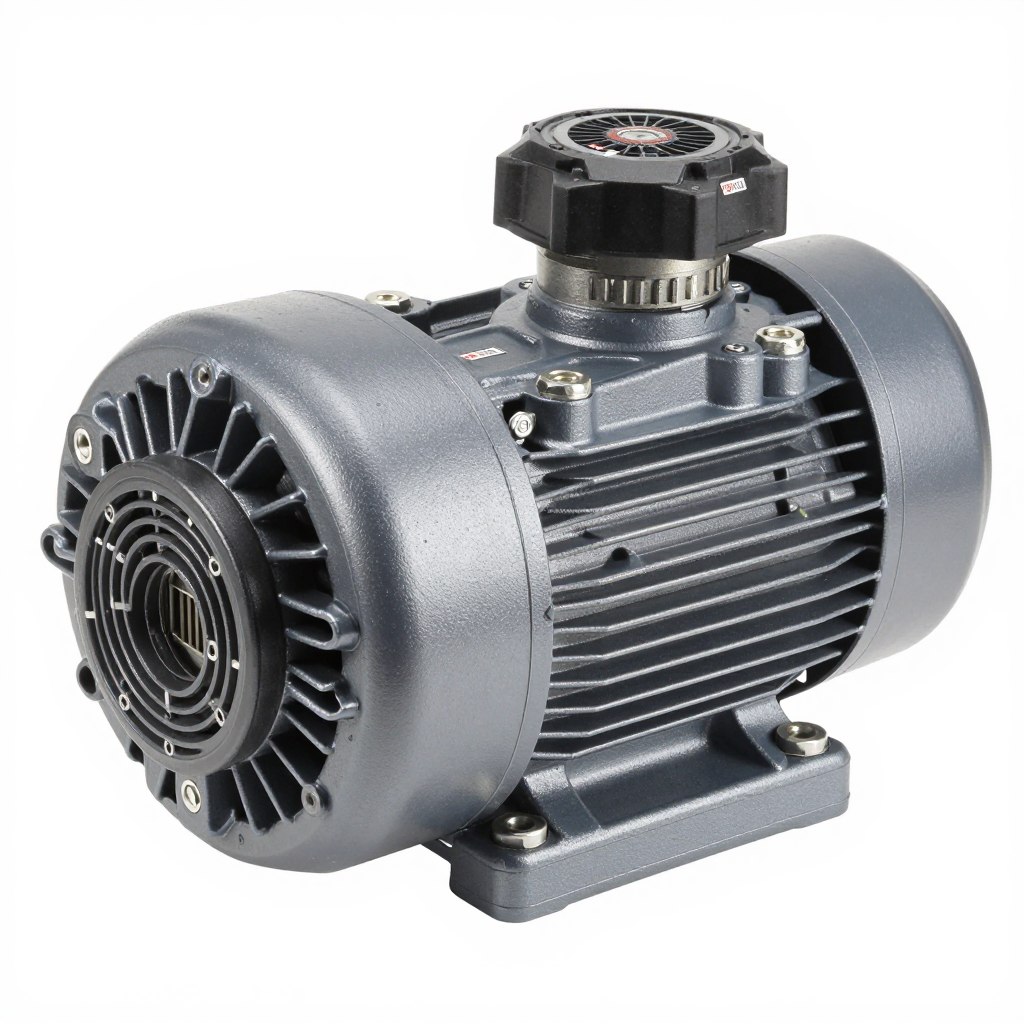
Grundfos UPS3 15-50/65
Best Value
- Price: £110-£140
- Energy rating: A
- 3 speed settings
- Low energy consumption
- 5-year warranty
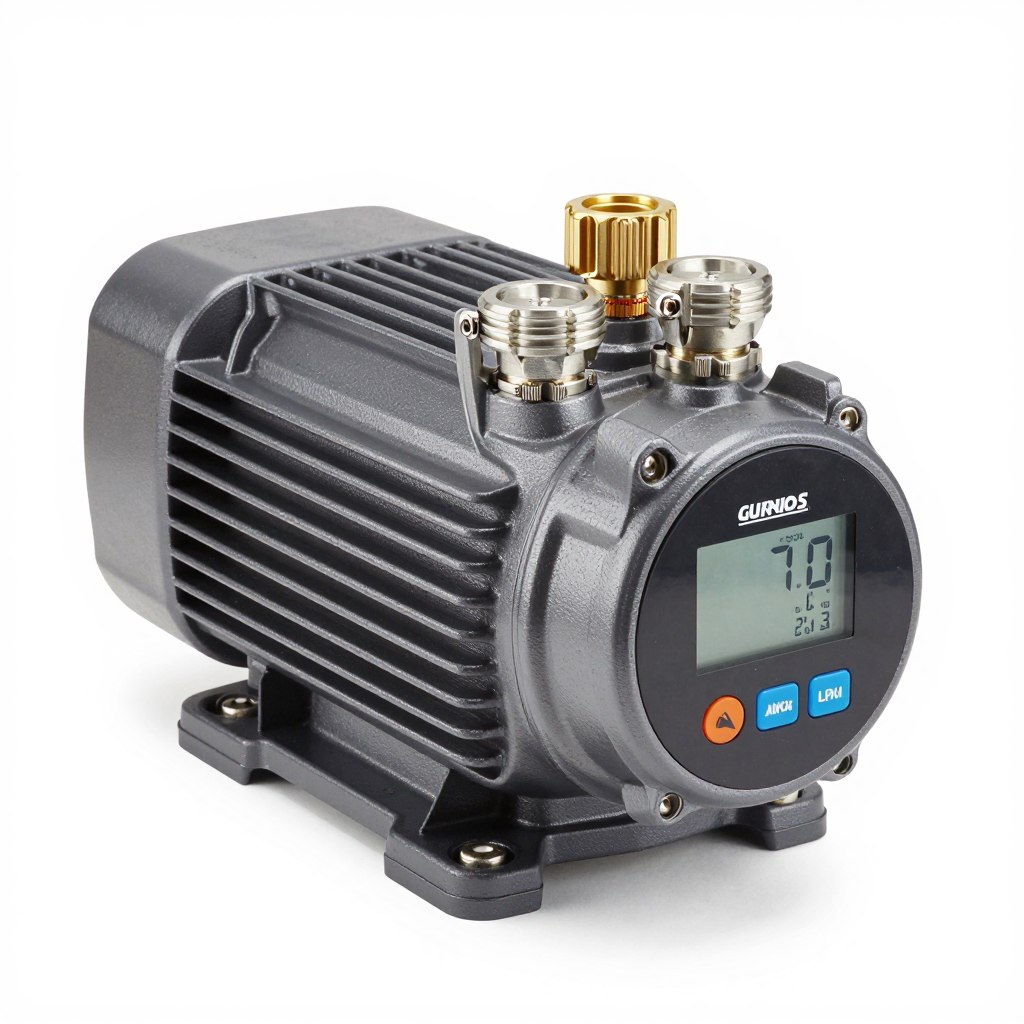
Grundfos ALPHA3
Premium Choice
- Price: £160-£200
- Energy rating: A+
- Auto-adaptive functionality
- Bluetooth connectivity
- 7-year warranty
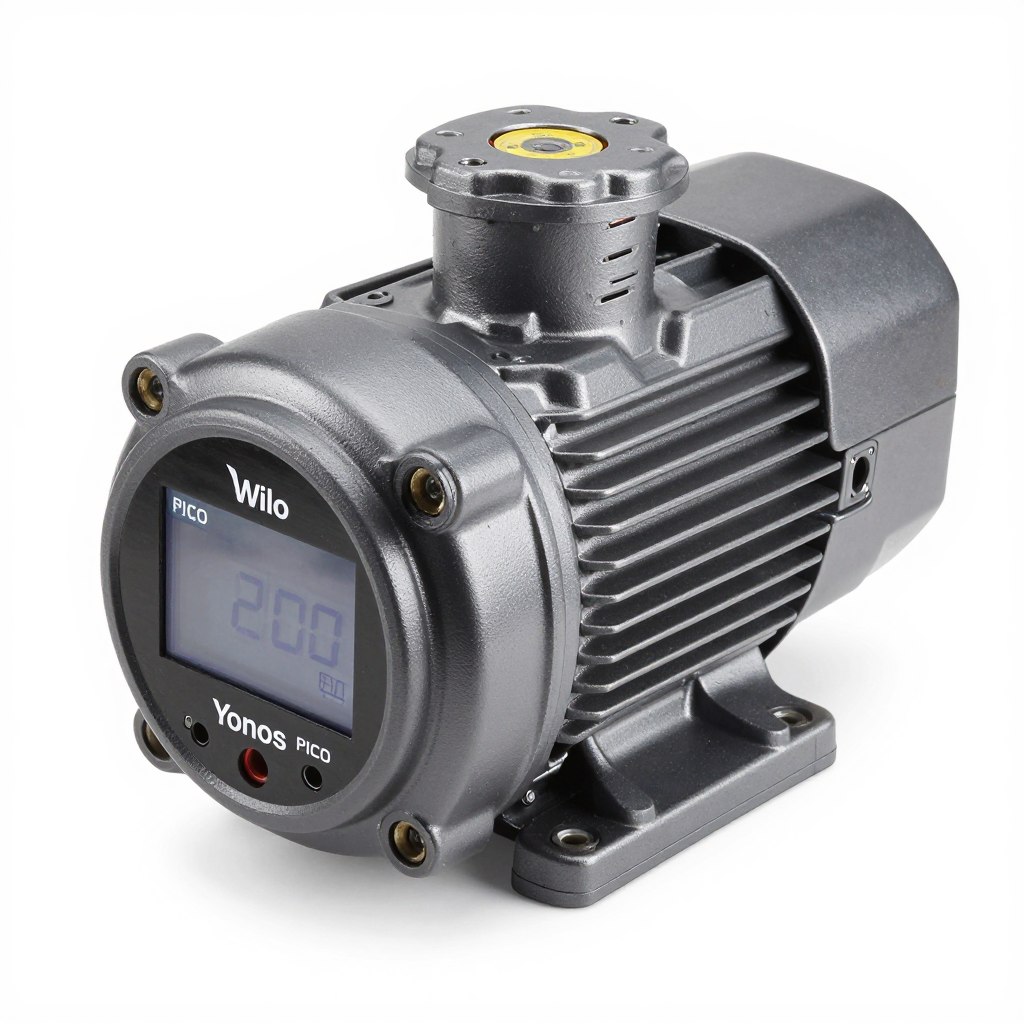
Wilo Yonos PICO
Budget Friendly
- Price: £90-£120
- Energy rating: A
- LED display
- Simple installation
- 5-year warranty
The Installation Process
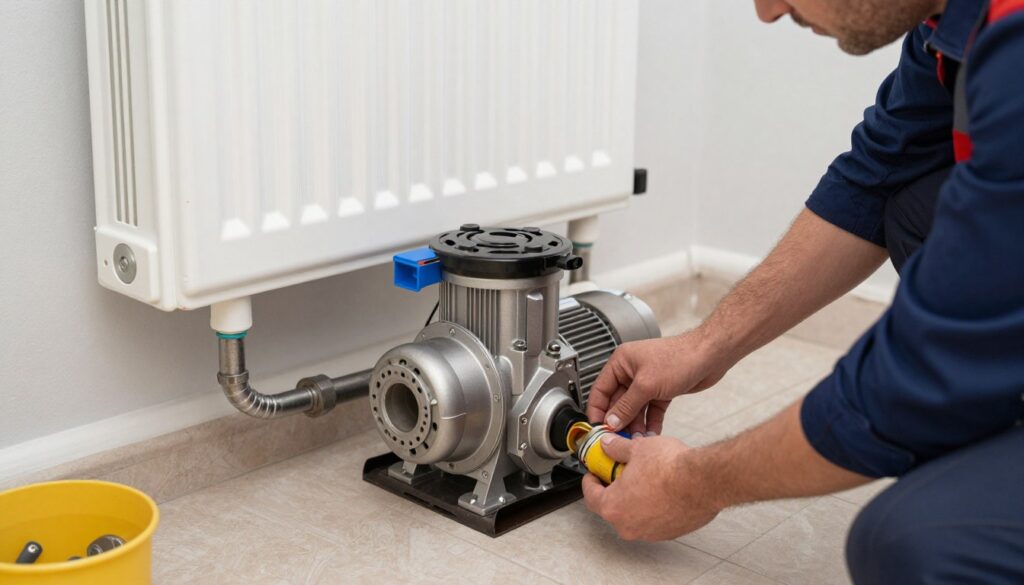
Understanding the installation process can help you appreciate the work involved and why labour costs vary:
- System preparation – The heating system is turned off and either isolated using valves or drained if necessary.
- Electrical disconnection – The power supply to the old pump is safely disconnected.
- Removal of old pump – The existing pump is disconnected from the pipework and removed.
- Preparation of connections – Pipe connections are cleaned and new washers/seals are fitted.
- Installation of new pump – The new pump is fitted, ensuring correct flow direction.
- Electrical reconnection – The pump is wired correctly to the power supply.
- System refilling – If drained, the system is carefully refilled.
- Air removal – Air is bled from the pump and system.
- Testing – The pump is tested to ensure proper operation.
- System balancing – Radiators may need balancing to ensure even heat distribution.
A standard installation typically takes 1-2 hours, but can extend to 3-4 hours if complications arise or if the system needs draining and refilling.
Hiring a Professional vs. DIY
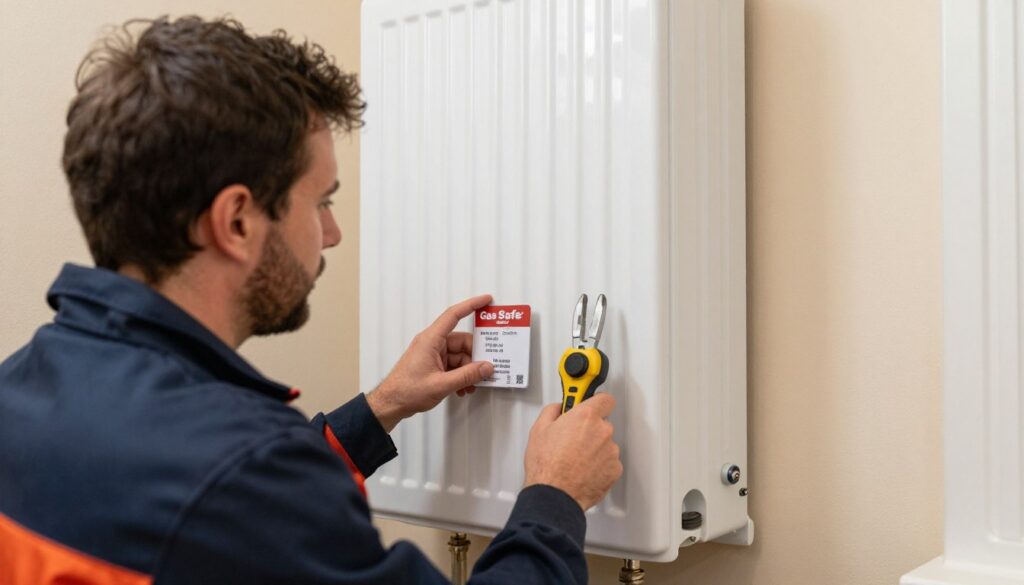
While some experienced DIYers might consider replacing a central heating pump themselves, there are important considerations:
Professional Installation Benefits
- Gas Safe registered engineers ensure safety
- Proper electrical connections prevent hazards
- Warranty protection (many warranties require professional installation)
- Expert system balancing after installation
- Identification of other potential issues
- Insurance coverage maintained
DIY Considerations
- Requires plumbing and electrical knowledge
- Risk of water damage if done incorrectly
- Potential voiding of boiler warranty
- No workmanship guarantee
- Special tools may be required
- May invalidate home insurance
Important: If your central heating pump is part of a gas boiler system, UK law requires that any work must be carried out by a Gas Safe registered engineer. DIY work on gas appliances is illegal and dangerous.
Conclusion: Getting the Best Value
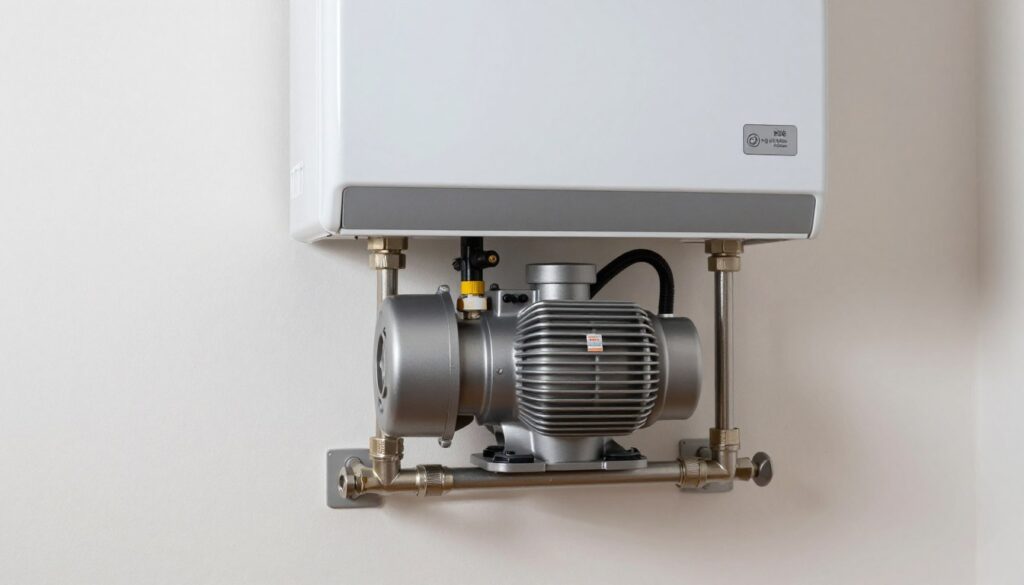
Central heating pump replacement typically costs between £150-£350 in the UK, with variations based on pump type, system complexity, location, and whether it’s an emergency replacement. While this might seem significant, a quality pump should last 10-15 years and can improve your system’s efficiency, potentially saving money on energy bills.
For the best value, consider these final tips:
- Get multiple quotes from Gas Safe registered engineers
- Consider energy efficiency ratings when selecting a pump
- Schedule replacement proactively rather than waiting for emergency failure
- Ask about warranty options for both parts and labour
- Consider annual boiler servicing to extend pump lifespan
By understanding the costs involved and factors that affect pricing, you can make an informed decision about your central heating pump replacement and ensure your home stays warm efficiently for years to come.
Frequently Asked Questions
How long does a central heating pump typically last?
A good quality central heating pump should last between 10-15 years with proper maintenance. However, factors such as water quality, usage patterns, and initial installation quality can affect lifespan. Regular boiler servicing can help identify potential pump issues before they cause complete failure.
Can I replace just the pump head instead of the entire unit?
In some cases, yes. Many modern pumps have replaceable heads, which can cost £70-£120 instead of replacing the entire unit. This is only viable if the pump body and connections are in good condition. A heating engineer can assess whether this is a suitable option for your system.
Will my home insurance cover central heating pump replacement?
Standard home insurance typically doesn’t cover central heating pump failure due to age or wear and tear. However, if you have boiler cover or home emergency cover as part of your policy, this might include pump replacement. Check your policy details or consider dedicated boiler/heating system insurance for comprehensive coverage.
How can I tell if my pump needs replacing or just needs repair?
Common signs that repair might be sufficient include: unusual noises that started recently, intermittent operation, or minor leaks at connections. Signs that replacement is likely needed include: pump age over 10 years, motor failure, significant internal leaks, multiple previous repairs, or severe corrosion. A qualified heating engineer can provide a definitive assessment.
Leave A Comment