

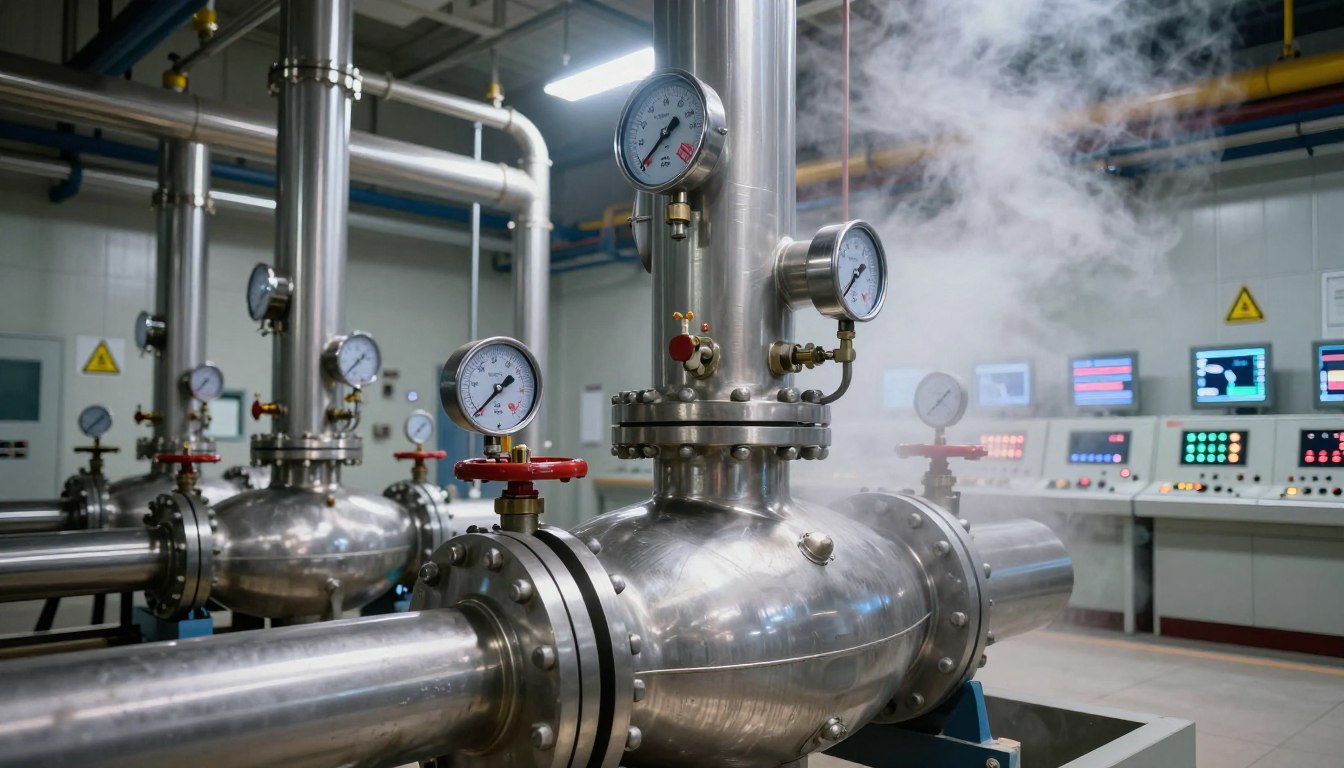
Have you ever wondered why your home heating system suddenly stops working on a chilly morning? Many homeowners ignore the small gauge on their unit until a total breakdown occurs. When you notice your boiler pressure too high, it is often a sign that your system is struggling to maintain balance.
Ignoring these warning signs can lead to costly repairs or even emergency shutdowns when you need warmth the most. By learning to spot these fluctuations early, you can keep your home comfortable and avoid unnecessary stress.
Understanding how your heating equipment functions is the best way to ensure long-term reliability. Taking simple steps now will save you time and money throughout the winter season.
| Section | Key Points |
|---|---|
| Overview | High boiler pressure signals system imbalance (too much water or faulty parts). Ignoring it can lead to breakdowns, leaks, or shutdowns. |
| Causes of High Pressure | Common causes include faulty filling loop, failed expansion vessel, broken pressure relief valve, or heat exchanger leaks. |
| Ideal Pressure Levels | Normal cold pressure: 1.0–1.5 bar. Heating: up to 2.0 bar. Above 3.0 bar is dangerous. |
| Effects of High Pressure | Can cause leaks, component damage, safety shutdowns, and water discharge from relief valve. |
| Rising Pressure Issues | Usually caused by leaking filling loop or faulty expansion vessel that cannot absorb expansion. |
| Pressure at 3 Bar | Critical level. Boiler may shut down and release water to prevent damage. Immediate action required. |
| Pressure Increase During Heating | Caused by water expansion. Faulty expansion vessel leads to pressure spikes. |
| How to Reduce Pressure | Turn off boiler, let it cool, release water via drain valve, monitor gauge, avoid unsafe adjustments. |
| Low Pressure Issues | Caused by leaks or trapped air. Can prevent boiler from working. Fixed via filling loop. |
| Safety Advice | Always cool boiler before handling. Call a professional for internal faults or persistent issues. |
| Preventative Maintenance | Regular checks for leaks, monitor gauge weekly, test expansion vessel annually, bleed radiators periodically. |
| Conclusion | Regular monitoring and early action prevent costly repairs and ensure efficient heating performance. |
Understanding Why Your Boiler Pressure Is Too High
Understanding the mechanics behind your heating system is the first step toward fixing pressure issues. When you notice your combi boiler pressure too high, it usually indicates that there is too much water or air trapped within the sealed system. This imbalance prevents the boiler from operating efficiently and can trigger safety shutdowns to protect the unit from damage.
Several factors contribute to an ideal boiler pressure too high scenario. Often, the issue stems from a faulty filling loop that continues to let water into the system even when it should be closed. If the valve is not fully sealed, the pressure will steadily climb until it exceeds the recommended operating range.
Internal component wear also plays a significant role in these fluctuations. The expansion vessel is designed to absorb excess pressure as water heats up and expands. If this component fails or loses its air charge, the system has nowhere for that extra volume to go, leading to a rapid spike in pressure readings.
It is helpful to review the common triggers that lead to a combi boiler pressure too high situation. By identifying these early, you can prevent more serious damage to your heating infrastructure. The following table outlines the primary culprits behind these common pressure problems.
| Component | Common Issue | Impact on Pressure |
|---|---|---|
| Filling Loop | Valve left open or leaking | Constant pressure increase |
| Expansion Vessel | Loss of air charge | Spikes during heating cycles |
| Pressure Relief Valve | Debris or mechanical failure | Inability to vent excess water |
| Heat Exchanger | Internal pinhole leak | Gradual, persistent rise |
Recognizing that your ideal boiler pressure too high reading is a symptom rather than the root cause is vital. Whether it is a simple valve issue or a failing internal part, addressing the source quickly will save you time and money. Always monitor your gauge regularly to ensure your system remains within the safe operating limits.
Identifying Ideal Pressure for Logic Combi Models
Understanding the specific pressure requirements for your Ideal boiler is the first step toward a warm and efficient home. Every heating unit is engineered to function within a precise range, and staying inside these limits is crucial for the longevity of your system. By monitoring your gauge regularly, you can prevent unnecessary wear and tear on internal components.
Ideal Logic Combi C30 Pressure Specifications
The logic combi c30 pressure should typically sit between 1.0 and 1.5 bar when the system is cold. If the needle drops below 1.0 bar, your boiler may struggle to circulate hot water effectively. Conversely, exceeding 2.0 bar can trigger safety mechanisms that might cause the unit to shut down unexpectedly.
Ideal Logic Combi ESP1 30 Pressure Standards
For those operating the ESP1 30, maintaining the correct logic combi esp1 30 pressure is vital for consistent performance. Manufacturers recommend keeping the gauge steady at 1.5 bar during normal operation. Regular checks ensure that your home remains comfortable throughout the colder months without the risk of pressure-related faults.
Ideal Logic Combi ESP1 35 Pressure Requirements
The logic combi esp1 35 pressure requirements follow similar guidelines to other high-efficiency models in the range. You should aim for a baseline of 1.2 to 1.5 bar to ensure the pump operates under optimal conditions. Always consult your user manual if you notice the pressure consistently drifting outside of this recommended operating window.
What Happens If Boiler Pressure Is Too High
High pressure in your boiler is more than just a number on a gauge; it is a signal of potential trouble for your central heating system. When you notice your Boiler Pressure Too High, it often indicates that the internal components are under significant stress. If left unaddressed, this extra force can lead to costly repairs or even a complete system failure.
Many homeowners often ask, what happens if boiler pressure is too high during daily operation? The most immediate risk involves the internal seals and gaskets. These parts are designed to handle specific pressure ranges, and exceeding them can cause water to leak from the unit, potentially damaging your flooring or nearby electrical components.
Modern systems are built with safety in mind, which is why a combi boiler pressure too high reading will often trigger an automatic shutdown. The boiler senses the danger and cuts off the burner to prevent the pressure from reaching a critical level. While this protects your home from a burst pipe, it also means you will be left without hot water or heating until the issue is resolved.
Understanding the consequences of excessive pressure helps you prioritize maintenance before a minor issue becomes a major emergency. The following table outlines the common risks associated with high-pressure levels in your heating system.
| Risk Factor | Potential Impact | Severity Level |
|---|---|---|
| Internal Leaks | Water damage to walls and floors | Moderate |
| Component Stress | Premature failure of the pump or valves | High |
| Safety Shutdown | Loss of heating and hot water | High |
| Pressure Relief Valve | Constant dripping or water discharge | Moderate |
Keeping your system within the manufacturer’s recommended range is the best way to avoid these complications. If you find your combi boiler pressure too high, it is wise to consult a professional to ensure the safety of your home. Managing your Boiler Pressure Too High effectively ensures your system remains efficient and reliable throughout the winter months.
Why Your Boiler Pressure Keeps Rising
Many homeowners worry when they see their boiler pressure keeps rising, but understanding the cause is the first step to a solution. When your system gauge climbs steadily, it often indicates that water is entering the loop when it should not be. Identifying the root cause of why your boiler pressure keeps rising is essential for maintaining a safe and efficient home heating system.
One common culprit is a faulty filling loop. This component is designed to allow you to top up your system, but if the valves are not closed tightly or the seals have degraded, water will continue to seep into the boiler. This constant influx of water forces the pressure to climb higher than the manufacturer’s recommended levels.
Another frequent issue involves a failing expansion vessel. This part acts as a shock absorber for your heating system, managing the natural expansion of water as it heats up. If the internal diaphragm fails or the air charge is lost, the vessel can no longer accommodate the extra volume. Consequently, you will notice that your boiler pressure keeps rising every time the heating kicks in.
Ignoring these symptoms can lead to more significant damage over time. It is highly recommended to investigate these components early to prevent unnecessary strain on your boiler’s internal parts. By addressing these mechanical failures promptly, you ensure your system remains stable and reliable throughout the colder months.
Troubleshooting Boiler Pressure Rising to 3 Bar
If you notice your boiler pressure rising to 3 bar, it is time to take immediate action to protect your heating system. In most residential combi boilers, 3 bar is considered the critical danger zone. When the pressure reaches this level, the internal components are under significant strain, which can lead to leaks or permanent damage.
The primary concern when your system hits this limit is the pressure relief valve. This safety device is designed to discharge excess water to prevent the boiler from bursting. While this prevents a catastrophic failure, it often results in water leaking onto your floor or inside the unit, which can cause unnecessary water damage to your home.
To stabilize the system, you should first turn off your heating and allow the boiler to cool down completely. As the water temperature drops, the pressure will often decrease naturally. If you still see the boiler pressure rising to 3 bar after the system has cooled, you must stop using the boiler immediately.
It is vital to remain calm during this process. Avoid trying to force the pressure down by tampering with internal valves if you are not confident in your skills. Instead, contact a professional engineer to inspect the expansion vessel or the filling loop, as these are the most common culprits behind such a rapid increase in pressure.
Addressing Boiler Pressure Too High When Heating Is On
Have you ever wondered why your boiler pressure climbs specifically when the radiators are on? It is a common experience for many homeowners to notice the gauge needle creeping upward as the system warms up. When you notice your boiler pressure too high when heating on, it is usually a direct result of thermal expansion within your central heating loop.
As water heats up, it naturally expands and requires more space within the system. In a healthy setup, the expansion vessel absorbs this extra volume to keep the pressure stable. If the vessel is faulty or lacks sufficient air charge, the system has nowhere for that expanded water to go, causing the pressure to spike rapidly.
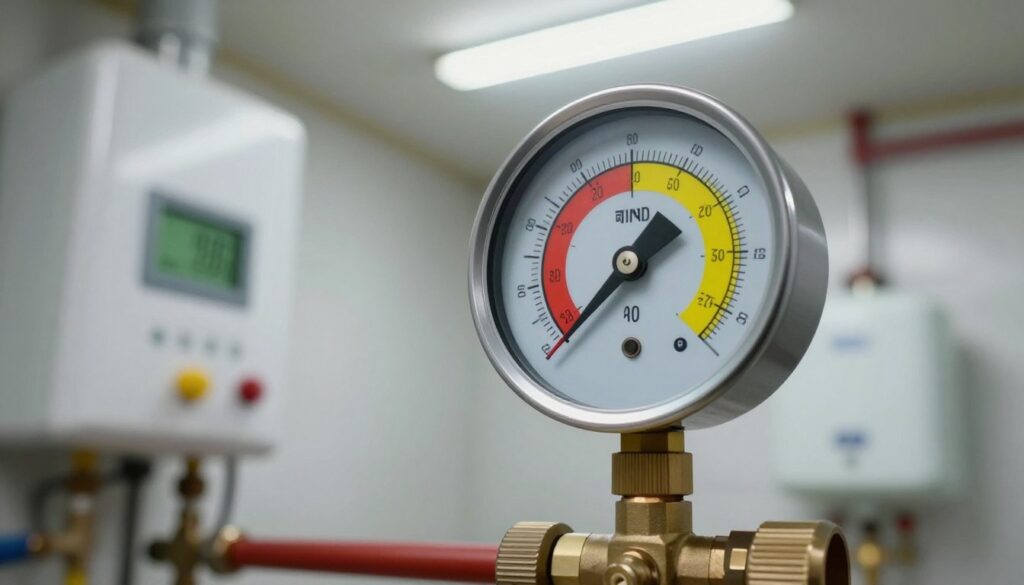
It is important to distinguish between a temporary spike and a permanent fault. If the pressure returns to the normal range once the radiators cool down, the issue is likely related to the expansion vessel’s capacity. However, if the pressure remains high even after the system is cold, you may have a persistent issue, such as a faulty filling loop or a leaking heat exchanger.
To monitor your system effectively, keep a close eye on the pressure gauge during different stages of operation. You should observe how the needle behaves when the heating is off, when it first starts, and after it has been running for an hour. This data helps you determine if the boiler pressure too high when heating on is a manageable fluctuation or a sign that professional maintenance is required.
| System State | Normal Pressure Range | Indication of Fault |
|---|---|---|
| System Cold | 1.0 – 1.5 Bar | Above 2.0 Bar |
| Heating Active | 1.5 – 2.0 Bar | Exceeding 3.0 Bar |
| Post-Cool Down | Returns to baseline | Remains elevated |
How to Reduce Pressure in Combi Boiler Systems
If your gauge is showing high numbers, learning how to lower boiler pressure without bleeding radiators is a valuable skill for any homeowner. Managing your home heating system is much easier when you understand the basic mechanics of your unit. Knowing how to reduce pressure in combi boiler setups can help you avoid unnecessary service calls and keep your home comfortable.
Step-by-Step Guide to Lowering Pressure Without Bleeding Radiators
Many people assume they must release air from their radiators to drop the pressure, but this is not always the best approach. You can often manage the system by using the drain valve located near the bottom of the boiler or on the lowest radiator in your home. This method is highly effective for those looking for simple, non-invasive solutions.
- Ensure the boiler is turned off and has cooled down completely.
- Locate the drain valve, which usually looks like a small tap or a screw-head fitting.
- Attach a hose to the valve and direct it toward a drain or outside.
- Slowly open the valve to release a small amount of water until the pressure gauge reaches the recommended range.
- Close the valve tightly and check the gauge to confirm the pressure has stabilized.
Using the External Filling Loop to Release Excess Water
If your system has an external filling loop, you might be able to use it to manage the water levels. While the loop is primarily used to add water, some configurations allow for a controlled release if you are careful. Always consult your manufacturer’s manual before attempting this, as every model varies slightly.
When you learn how to lower boiler pressure without bleeding radiators, you protect your system from long-term strain. If the pressure continues to rise after you have manually reduced it, there may be an underlying issue with the expansion vessel. In such cases, it is best to contact a professional to ensure your system remains safe and efficient.
Specific Solutions for Ideal Logic Combi ESP1 35 Pressure Issues
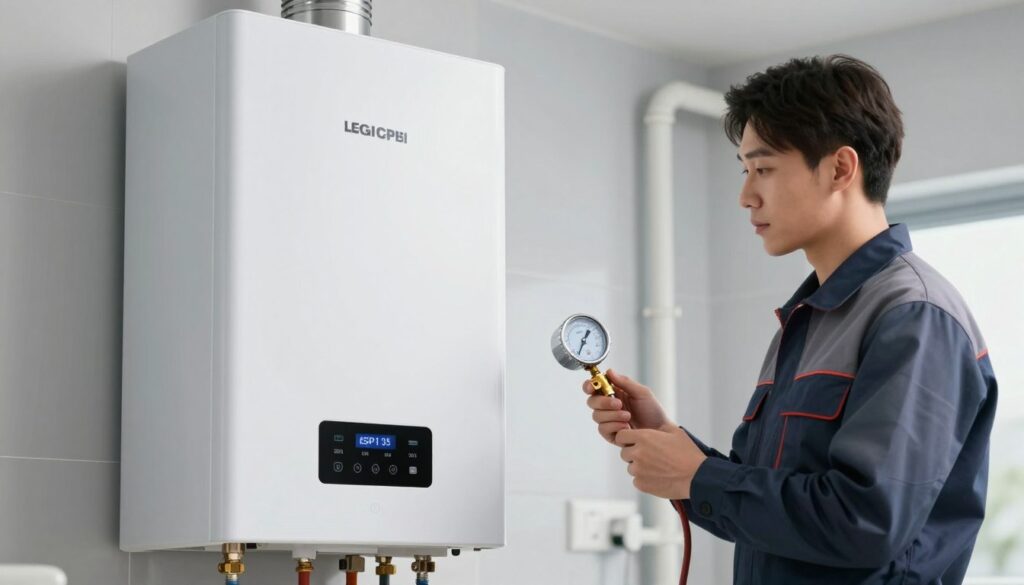
If you own an Ideal Logic Combi ESP1 35, keeping the logic combi esp1 35 pressure within the correct range is vital for your home’s heating efficiency. While these units are built for reliability, they occasionally require manual intervention to maintain optimal performance. Understanding how to interpret your gauge is the first step toward a warmer home.
Diagnosing Pressure That Is Too High
When you notice your logic combi esp1 35 pressure too high, the gauge will typically climb above the recommended 1.5 bar mark. This often happens when the system is under heavy load or if the expansion vessel has lost its charge. Always check your gauge when the system is cold to get an accurate reading.
If the needle consistently sits in the red zone, it indicates that the system is under too much stress. You might hear a hissing sound or notice water dripping from the external discharge pipe. This is a clear sign that the internal components are struggling to manage the thermal expansion of the water.
Handling Pressure That Is Too Low
Conversely, dealing with logic combi esp1 35 pressure too low is a common issue that often points to a small leak or trapped air in your radiators. If the gauge drops below 1.0 bar, your boiler may fail to ignite or provide hot water. Do not ignore this drop, as it can lead to long-term efficiency losses.
To resolve this, you should inspect your radiator valves and pipe joints for any signs of dampness or moisture. If no visible leaks are found, the system may simply need a top-up via the filling loop. Maintaining stable pressure ensures your boiler operates safely and effectively throughout the coldest months of the year.
Safety Precautions When Adjusting Boiler Pressure
Knowing when to step back and call a professional is just as important as knowing how to read your pressure gauge. While some minor adjustments are straightforward, your home heating system is a complex piece of equipment that demands respect and caution during any maintenance task.
Always prioritize your safety by ensuring the boiler is cool before you attempt any physical interaction. If you ever feel uncertain about the steps involved, it is far better to pause and seek expert guidance rather than risking damage to your system or your home.
When to Call a Gas Safe Registered Engineer
In the United Kingdom, any work involving the internal components of a gas boiler must be performed by a Gas Safe registered engineer. This legal requirement exists to protect you and your household from the dangers of carbon monoxide leaks and improper combustion.
You should contact a professional if you notice that the pressure continues to rise despite your attempts to bleed the system or if you hear unusual banging noises coming from the boiler. Furthermore, if you are unsure about the location of the filling loop or if the valves appear seized, do not force them. A qualified technician has the right tools and training to resolve these issues safely and efficiently.
Recognizing Signs of a Faulty Pressure Relief Valve
The pressure relief valve is a critical safety component designed to discharge excess water if the system pressure becomes dangerously high. If you notice water dripping from the external discharge pipe outside your home, this is a clear warning sign that the valve may be faulty or that the system is over-pressurizing.
A valve that fails to close properly after releasing pressure will cause your boiler to lose water constantly. This leads to a cycle where the pressure drops too low, forcing you to refill the system repeatedly. If you observe these symptoms, you must arrange for a professional inspection immediately to prevent further damage to your heating components.
| Task Type | Action Required | Who Should Perform |
|---|---|---|
| Pressure Monitoring | Check gauge regularly | Homeowner |
| Minor Adjustments | Use external filling loop | Homeowner |
| Faulty Relief Valve | Replace internal component | Gas Safe Engineer |
| Persistent Leaks | System diagnostic check | Gas Safe Engineer |
Preventative Maintenance to Keep Pressure Stable
Long-term stability for your heating system starts with consistent preventative care. By taking small steps throughout the year, you can avoid the frustration of sudden pressure fluctuations. Consistency is the key to ensuring your boiler operates safely and efficiently during the colder months.
Checking for Leaks in the Central Heating System
Even a tiny, invisible leak can cause your boiler pressure to drop, leading the system to overcompensate and eventually rise too high. You should regularly inspect your radiators, valves, and exposed pipework for any signs of dampness or corrosion. Early detection prevents minor drips from turning into major system failures.
Pay close attention to the joints and connections where pipes meet radiators. If you notice any rust or water staining, it is likely that a seal has failed. Addressing these small issues immediately will keep your system pressure balanced and prevent unnecessary strain on your boiler components.
Monitoring Expansion Vessel Performance
The expansion vessel is a critical component designed to absorb the extra volume of water created when your heating system warms up. If the internal air pressure is lost, the vessel cannot do its job, causing the system pressure to spike rapidly. Checking this vessel annually is a vital part of your maintenance routine.
You can often tell if the vessel is failing if your pressure gauge rises significantly as soon as the heating turns on. If you suspect the air charge has depleted, it is best to have a professional check the diaphragm and recharge the vessel. Keeping this component in good working order is the most effective way to maintain steady pressure levels.
| Maintenance Task | Frequency | Key Benefit |
|---|---|---|
| Visual Leak Inspection | Monthly | Prevents water loss |
| Pressure Gauge Check | Weekly | Identifies early trends |
| Expansion Vessel Test | Annually | Ensures thermal stability |
| Radiator Bleeding | Bi-Annually | Removes trapped air |
Conclusion
Managing your home heating system requires a proactive approach to pressure levels. Keeping your Ideal Logic Combi unit within the recommended range protects your equipment from unnecessary strain. Consistent monitoring prevents minor fluctuations from turning into costly repairs.
You now possess the knowledge to identify when your system needs attention. Simple steps like checking your pressure gauge regularly help you spot issues early. Quick actions often resolve minor imbalances before they impact your comfort.
Safety remains the top priority when working with gas appliances. Reach out to a Gas Safe registered engineer if you feel unsure about any adjustments. Professional expertise ensures your home stays warm and secure throughout the winter months.
Share your experiences with boiler maintenance in the space below. Your insights help other homeowners keep their systems running smoothly. Stay informed and keep your heating setup in peak condition for years to come.
FAQ
What should I do if my boiler pressure is too high?
If you notice your boiler pressure is too high, it is usually a sign that there is too much water in the system or that the filling loop has been left slightly open. To resolve this, you can safely reduce pressure in a combi boiler by bleeding your radiators or using a dedicated drain valve. Keeping the pressure within the green zone is essential for preventing system strain and maintaining home comfort.
What is the recommended logic combi c30 pressure for daily operation?
For the Logic Combi C30, as well as the Logic Combi ESP1 30 and Logic Combi ESP1 35, the manufacturer-recommended cold pressure is typically between 1.0 and 1.5 bar. Maintaining the correct logic combi esp1 30 pressure ensures that your Ideal heating unit operates at peak efficiency and avoids unnecessary emergency shutdowns.
What happens if boiler pressure is too high for a long period?
When a combi boiler pressure is too high, it places excessive stress on the internal seals, joints, and the heat exchanger. This can lead to persistent leaks or cause the pressure relief valve to activate, discharging water to protect the unit. If the pressure remains in the “danger zone,” the system may trigger a safety lockout to prevent permanent damage.
Why does my boiler pressure keep rising even when I’m not using the water?
If your boiler pressure keeps rising steadily, the most common culprit is a faulty or passing filling loop. If the valves aren’t closed tightly, fresh water will continue to enter the system. Another possibility is a perforated internal plate in the heat exchanger, which allows domestic hot water to leak into the central heating circuit. Identifying this root cause is the first step toward a permanent fix for your Ideal boiler.
Is it a problem if my boiler pressure is rising to 3 bar?
Yes, seeing your boiler pressure rising to 3 bar is a significant concern. Most residential systems, such as those from Worcester Bosch or Ideal, are designed to operate well below this level. At 3 bar, the pressure relief valve will likely trigger, which can lead to water damage if the discharge pipe isn’t properly routed. You should turn off your heating and address the excess pressure immediately.
Why is my boiler pressure too high when the heating is on but normal when it is off?
It is common to see a slight increase when the system is running, but if the boiler pressure is too high when the heating is on, it often points to a failing expansion vessel. This component is responsible for absorbing the natural expansion of water as it heats up. If the vessel has lost its air charge or the diaphragm has failed, the pressure will spike rapidly during a heating cycle.
How can I lower boiler pressure without bleeding radiators?
If you want to know how to lower boiler pressure without bleeding radiators, you can look for a 360-degree drain cock, usually located at the lowest point of your radiator system or near the boiler itself. By attaching a hose and opening this valve slightly, you can release water more quickly than through a radiator bleed valve. Always ensure the filling loop is fully disconnected or closed before attempting this.
What should I do if my Logic Combi ESP1 35 pressure is too low?
While high pressure is a concern, having a logic combi esp1 35 pressure too low will prevent the boiler from firing up at all. You can easily remedy this by using the filling loop to top up the system until the gauge reads roughly 1.5 bar. If you find your logic combi esp1 35 pressure dropping frequently, you should check your home for minor leaks in the pipework or valves.
When is it necessary to call a Gas Safe registered engineer?
While homeowners can perform basic tasks like bleeding radiators, you must call a Gas Safe registered engineer if you suspect an internal component like the expansion vessel or the pressure relief valve has failed. Professional intervention is required for any repairs that involve opening the boiler casing to ensure your system remains safe, efficient, and compliant with United Kingdom safety regulations.
Leave A Comment